The Lake County
My final year project for photography studies in 2022 was exploring the beautiful lakes in Westmeath with my cousin Aaron. Through our adventures together, I learned that we can find beautiful scenery close to home. We hiked, drove, kayaked and sailed across the county, discovering historical sites with the help of local historian Ruth Illingworth. She provided all of the historical content for this project. Here is a link to her website. This trip gave me a greater appreciation for Westmeath, the heart of Ireland.
Lake 1: Lough Ree
-
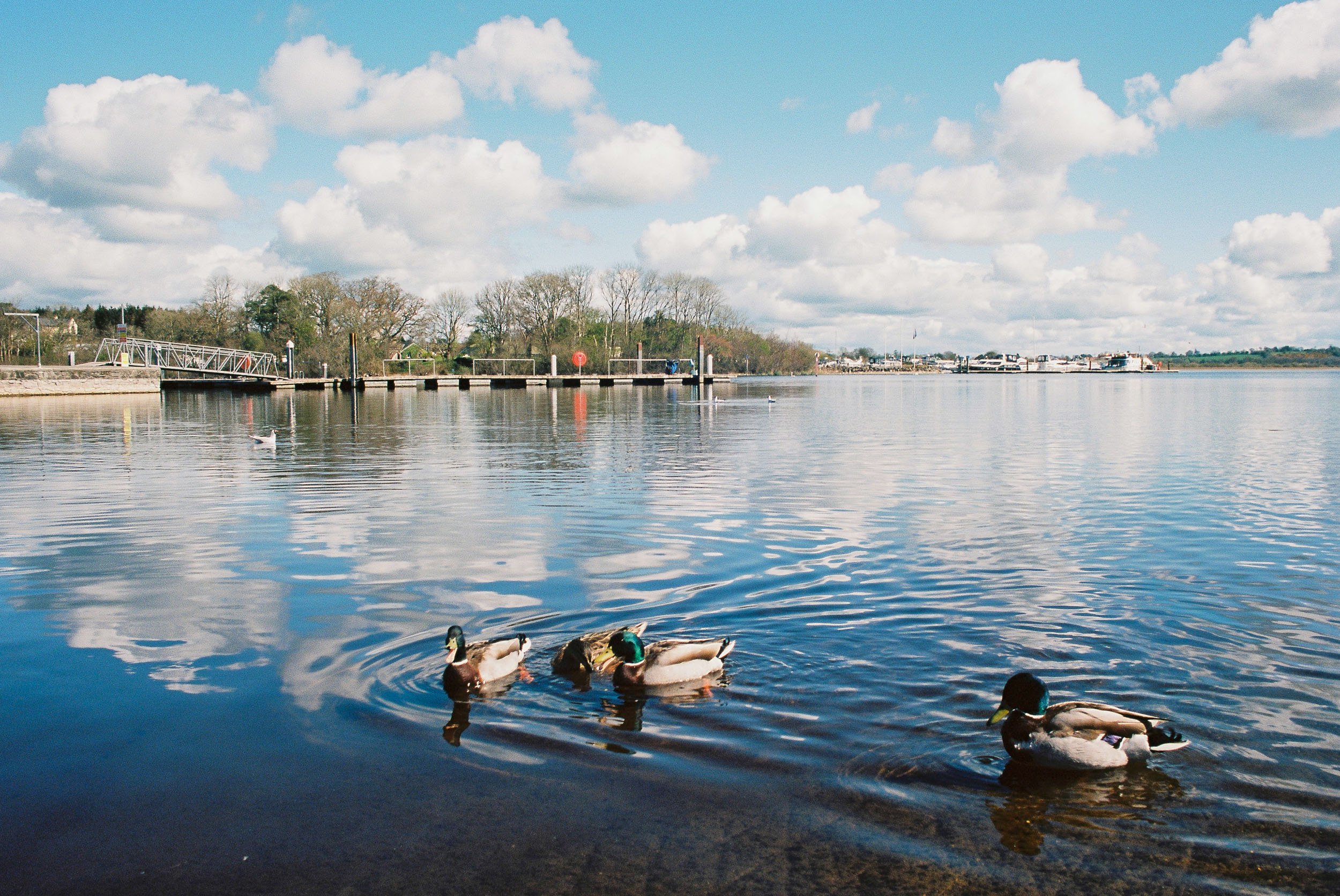
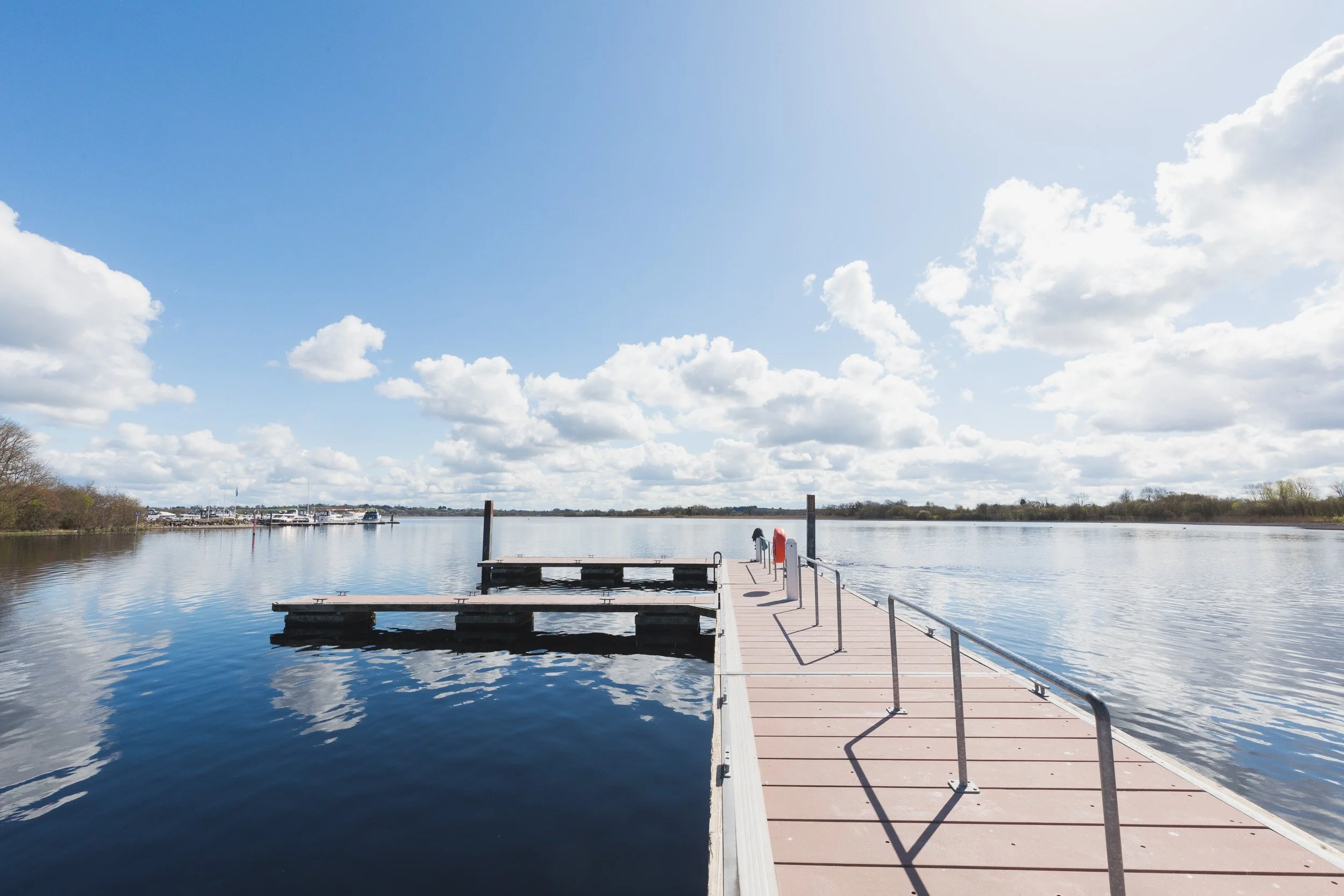
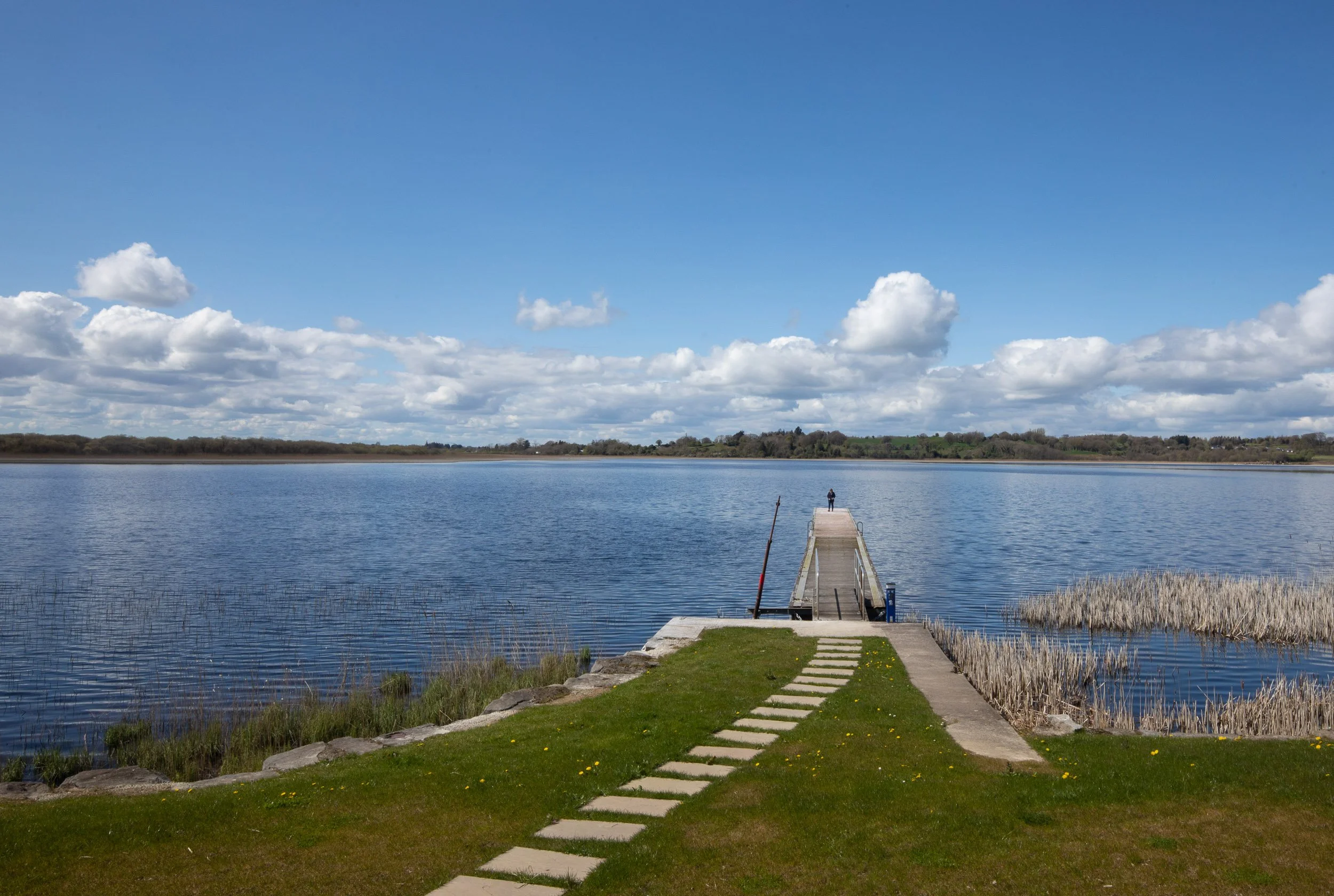
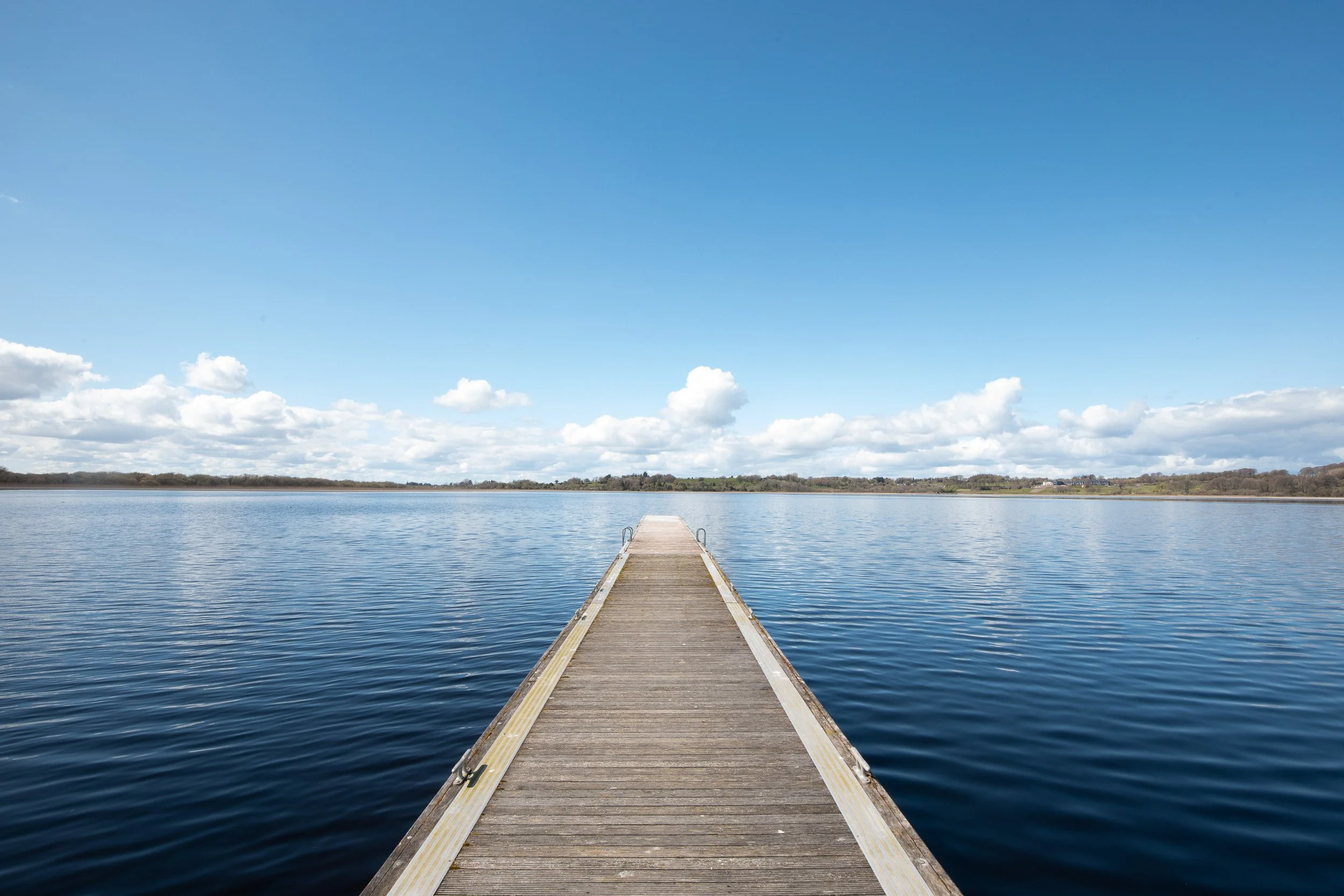
Lough Ree is a large and distinctive lake located in Westmeath, Ireland. It is the second largest lake in the River Shannon system and stretches over 43 km, providing ample opportunities for boating, fishing, and water-based recreation.
One of the most notable features of Lough Ree is its history, with several important historical sites located along its shores. The lake is said to have been visited by the 12th-century King Malachy, who is said to have had a palace located on one of its many islands.
Another unique aspect of Lough Ree is the presence of several islands, each with its own history and character. The largest of these islands is Inchcleraun, which is home to a monastic settlement from the early Christian era. Another island, Church Island, is home to the ruins of a medieval church, adding to the rich history of the area.
In addition to its historical sites, Lough Ree is also well known for its stunning natural beauty and rich wildlife. With its crystal-clear waters, rolling hills, and lush greenery, it is no wonder that the lake has become a popular destination for tourists and nature lovers alike.
-
Wineport Lodge:
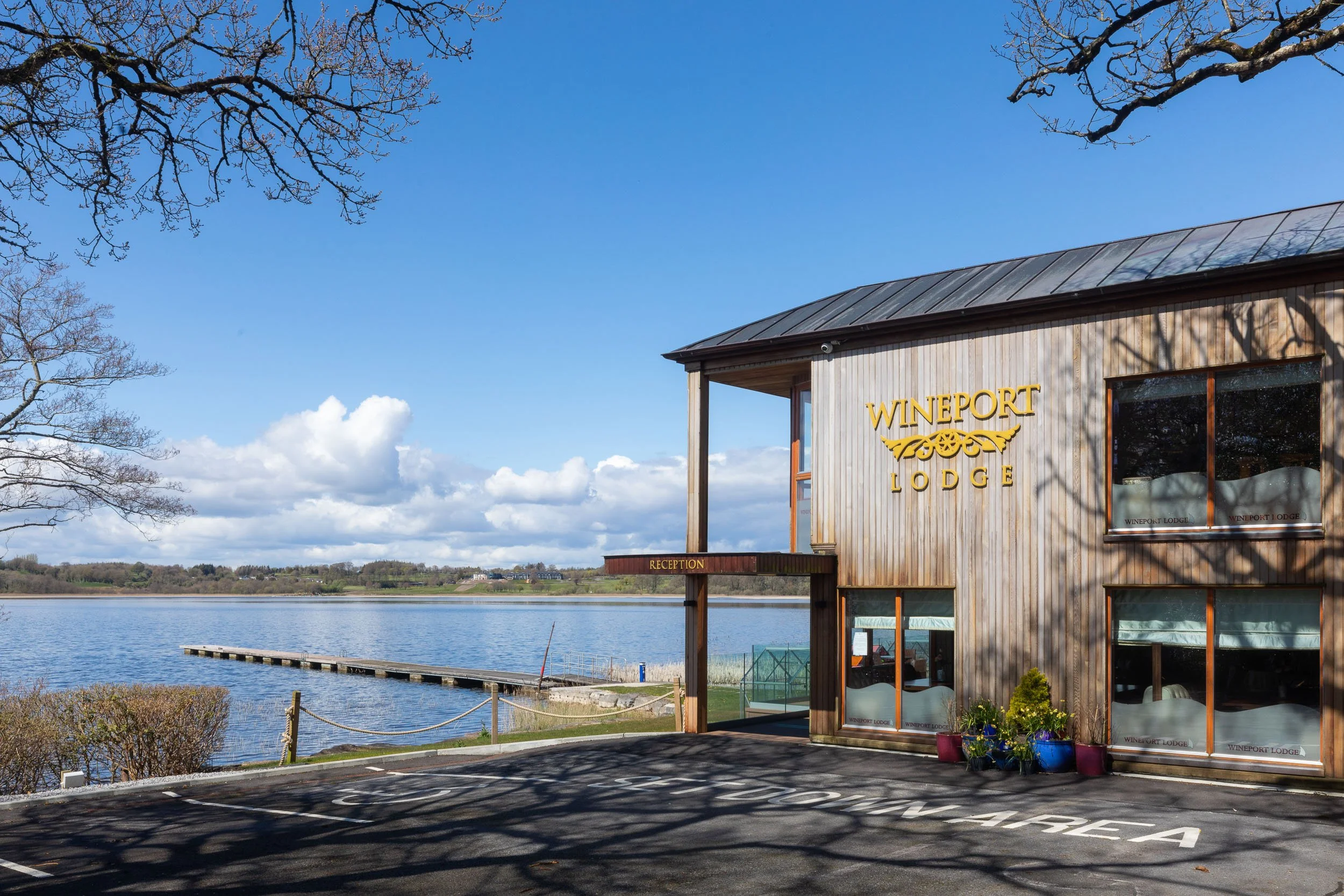
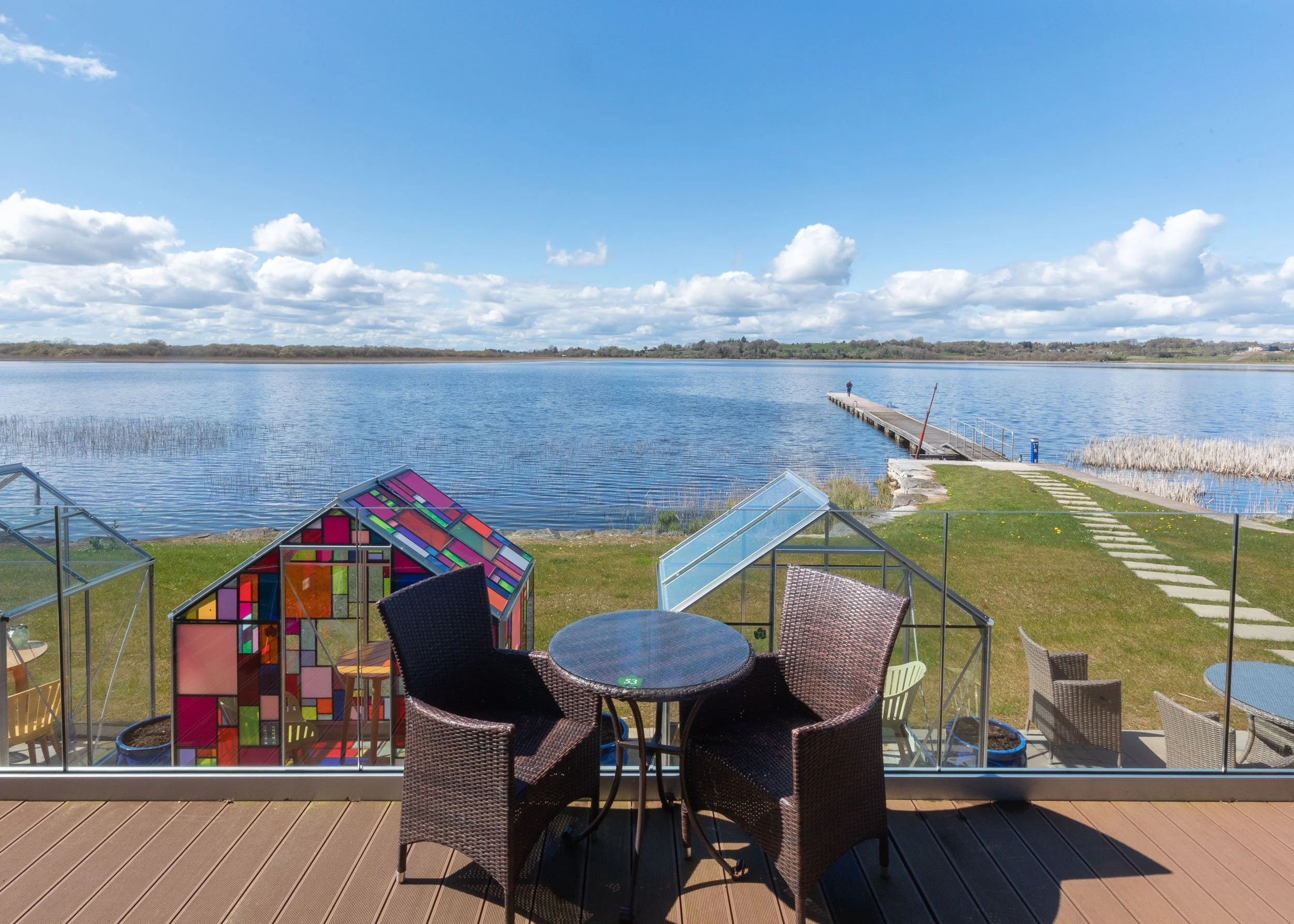
Wineport Lodge is an elegant retreat located on the tranquil waters of Lough Ree in Westmeath, Ireland. This lodge offers breathtaking views of the lake and the surrounding countryside. The lodge features comfortable and stylishly furnished rooms, each of which boasts its own private balcony overlooking the lake. The property also features a fine dining restaurant serving delicious local cuisine, as well as a bar area where guests can relax with a drink and take in the breathtaking views. Whether you are looking for a romantic getaway, a family vacation, or a corporate retreat, Wineport Lodge is the perfect place to experience the natural beauty and cultural richness of the Lough Ree region.
Cooson Point:
The scenic location offers stunning views of the lake and surrounding countryside, making it a popular spot for outdoor activities such as picnicking, fishing, and boating. Additionally, the area is rich in history and culture, with many local attractions and historical sites in the vicinity, including ancient ruins, castles, and heritage centers. The proximity to Lough Ree Yacht and Sailing Club makes it a popular destination for sailors and water sports enthusiasts, who can enjoy the many amenities and services available at the club, such as boat rental, sailing lessons, and social events. Overall, Coosan Point on Lough Ree would appeals to a wide range of visitors offering something for everyone.
-
Lough Ree and its Christian Sites
Lough Ree marks part of the western border of Westmeath and is divided between Westmeath,Longford and Roscommon. The Westmeath portion of the lake contains a number of important early Christian sites-most notably Hare Island,where a church was founded by St Ciaran of Clonmacnoise. In the early seventeenth century Friars Island was inhabited by Franciscan friars and the friary was visited by the great Gaelic scholar Micheal O Cleirigh,one of the authors of The Annals of the Four Masters. Close to Lough Ree in Westmeath is Bethlehem.location of a convent of Poor Clare nuns in the early seventeenth century. The convent closed during the Cromwelllian era.
The Lough Ree Monster
In 1960 Lough Ree came to international attention when fishermen claimed to have seen a large serpent-like creature in the water. Two men described how the creature dragged their boat around the lake after they hooked it before eventually breaking away. In Athlone, the Lough Ree monster caused great excitement, with one councillor calling it" The greatest piece of tourist publicity that it had ever fallen to any Irish town to receive." It has never been discovered what exactly the creature was.
The Lough Ree Yacht Club
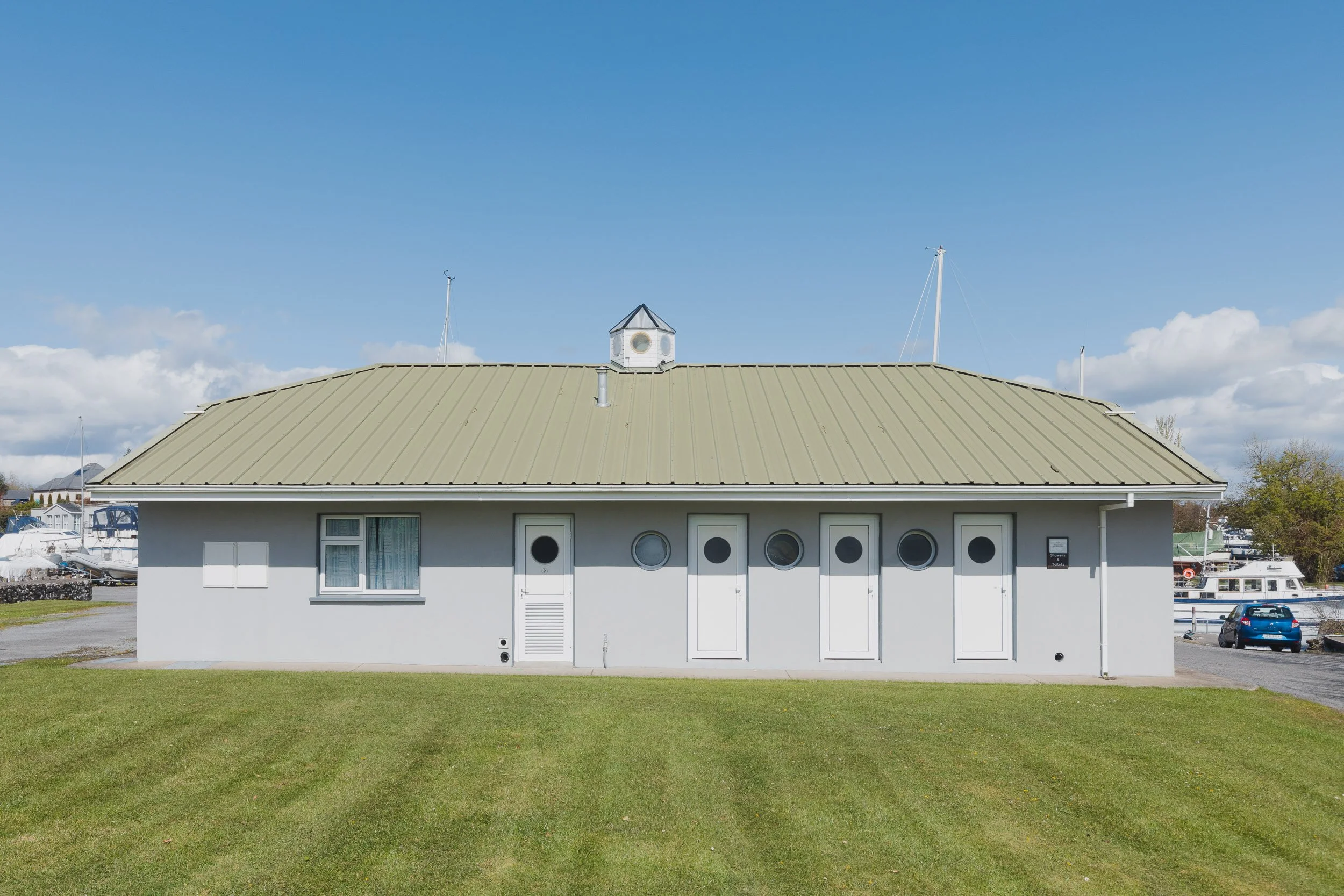
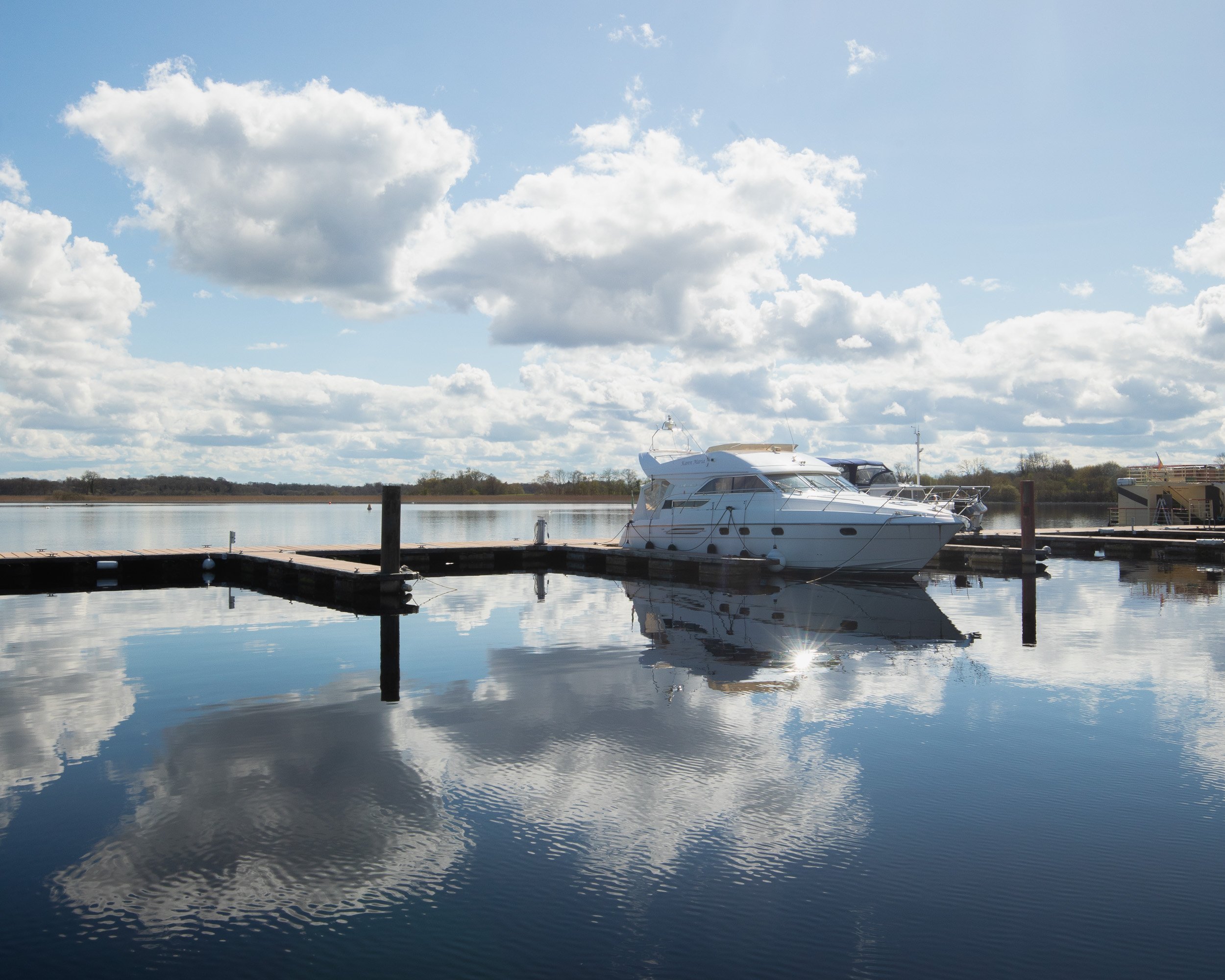
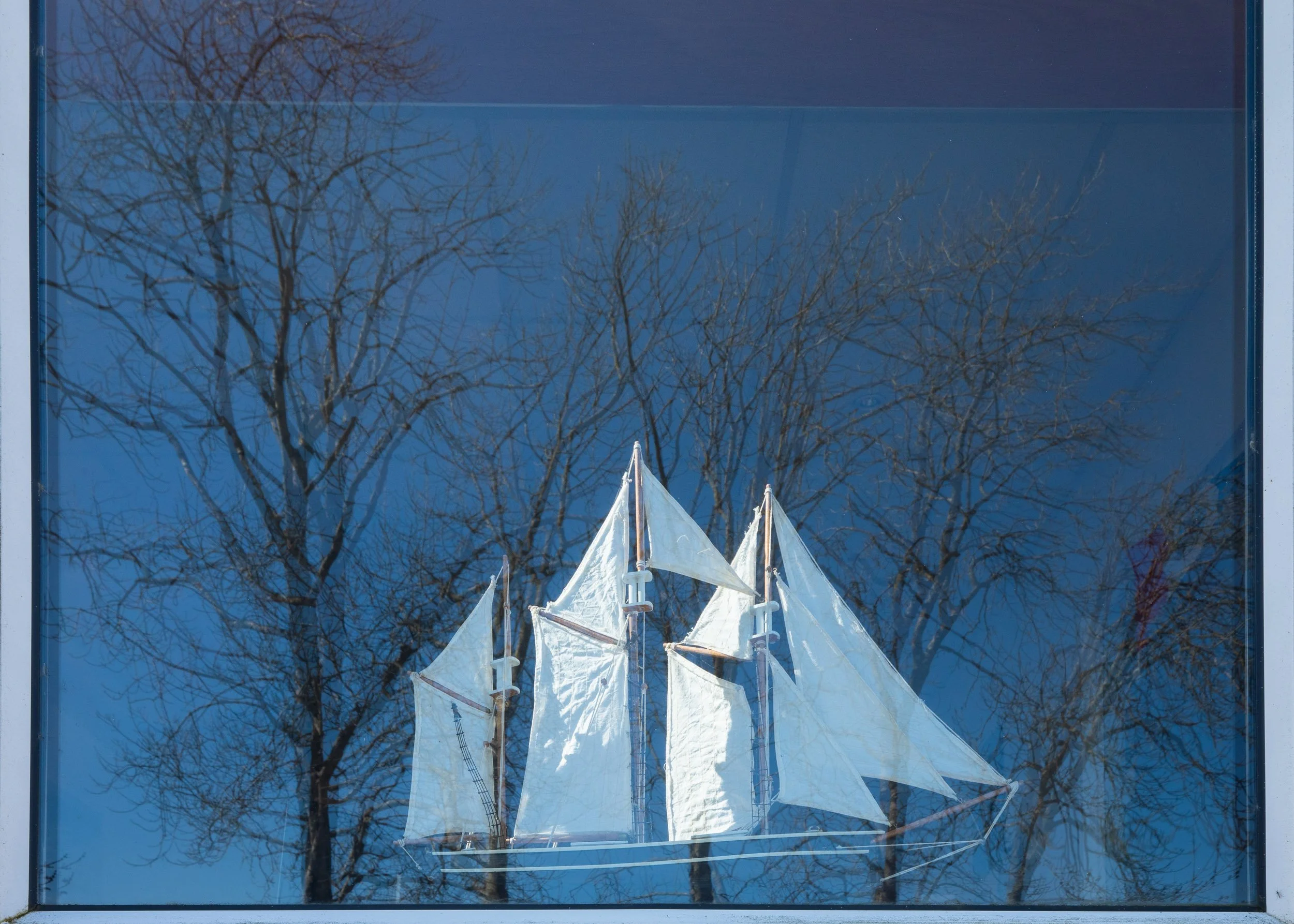
The Lough Ree yacht club, which is based in Athlone is one of the oldest in the world.It was founded in 1770, and its original purpose was to promote sailing on Lough Ree. The club has a long and rich history, and it has played an important role in the development of sailing in Ireland.
Today, the Lough Ree Yacht Club is a thriving organization that offers a wide range of sailing activities and events throughout the year. It has a full racing calendar, and it hosts several major regattas each year, including the Lough Ree Regatta and the prestigious All Ireland Sailing Championship.
The club also has an active junior sailing program, which is designed to encourage young people to get involved in sailing and to develop their skills on the water. It offers a range of training courses and sailing camps for children of all ages and abilities.
The Lough Ree Yacht Club is an important part of the local community, and it has a strong social aspect as well. Members of the club come from all walks of life and from all over Ireland, and they share a common love of sailing and the water. The club has a clubhouse on the shores of Lough Ree, which serves as a hub for social events, meetings, and other activities.
Lake 2: Lough Ennel
-
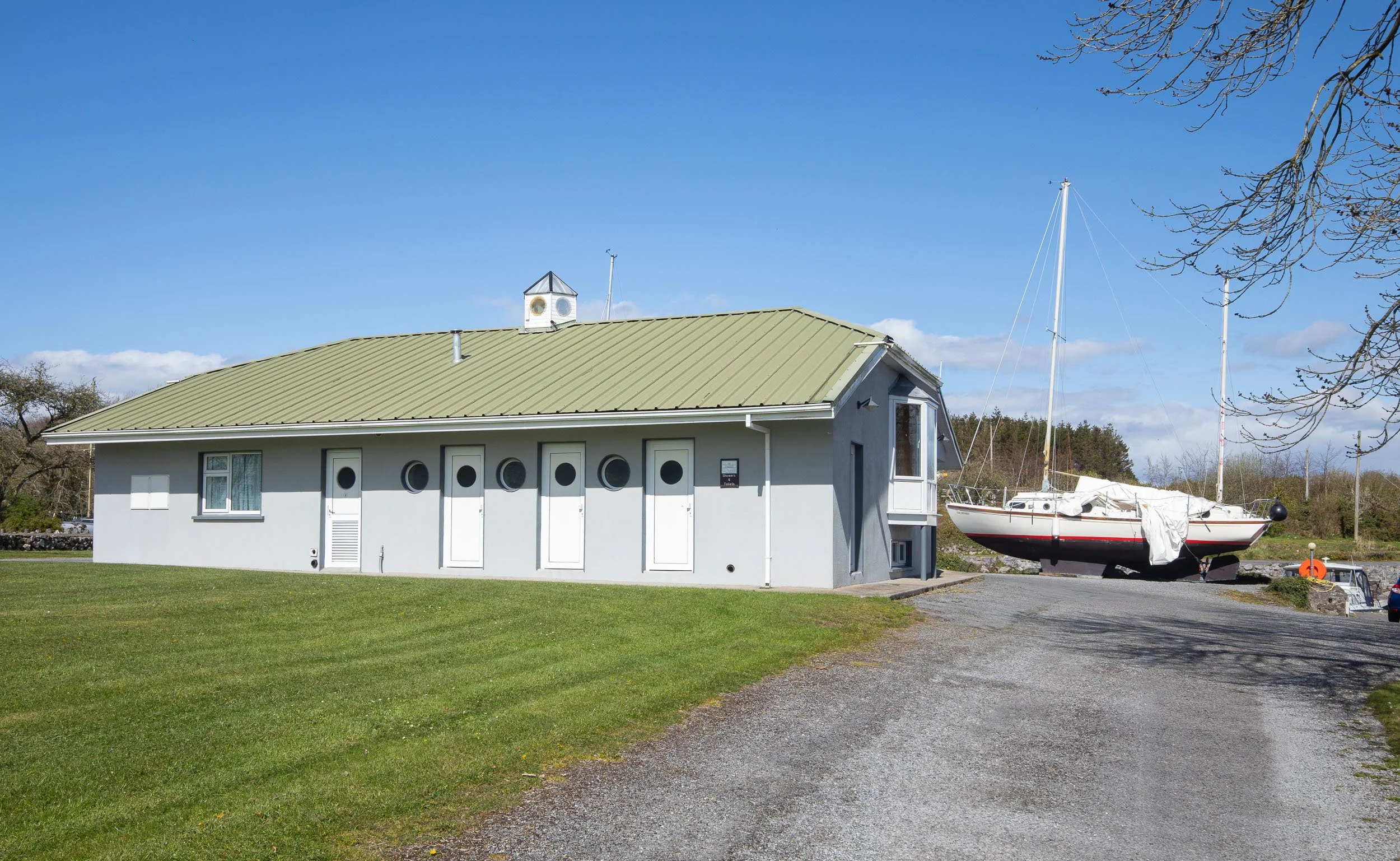
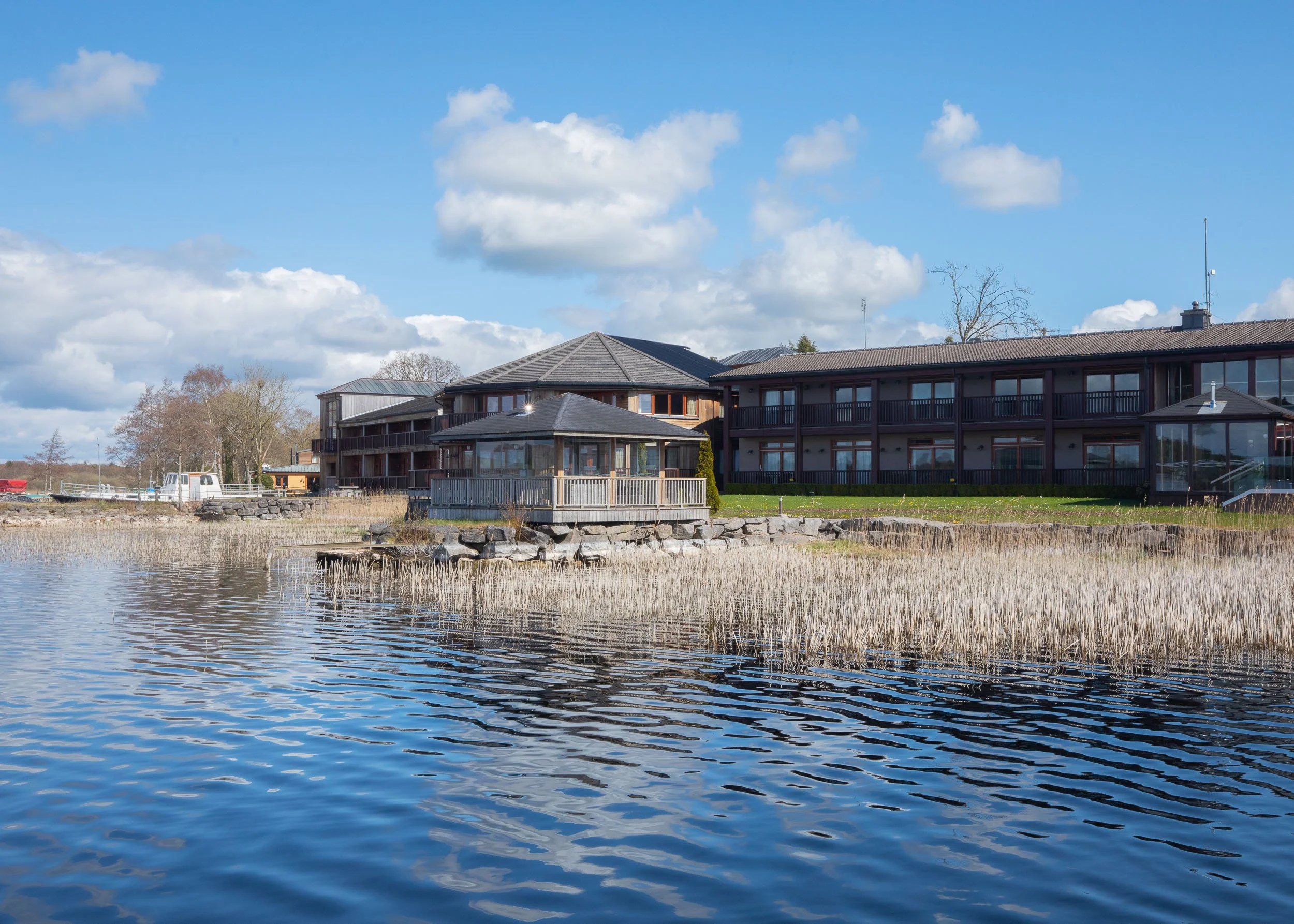
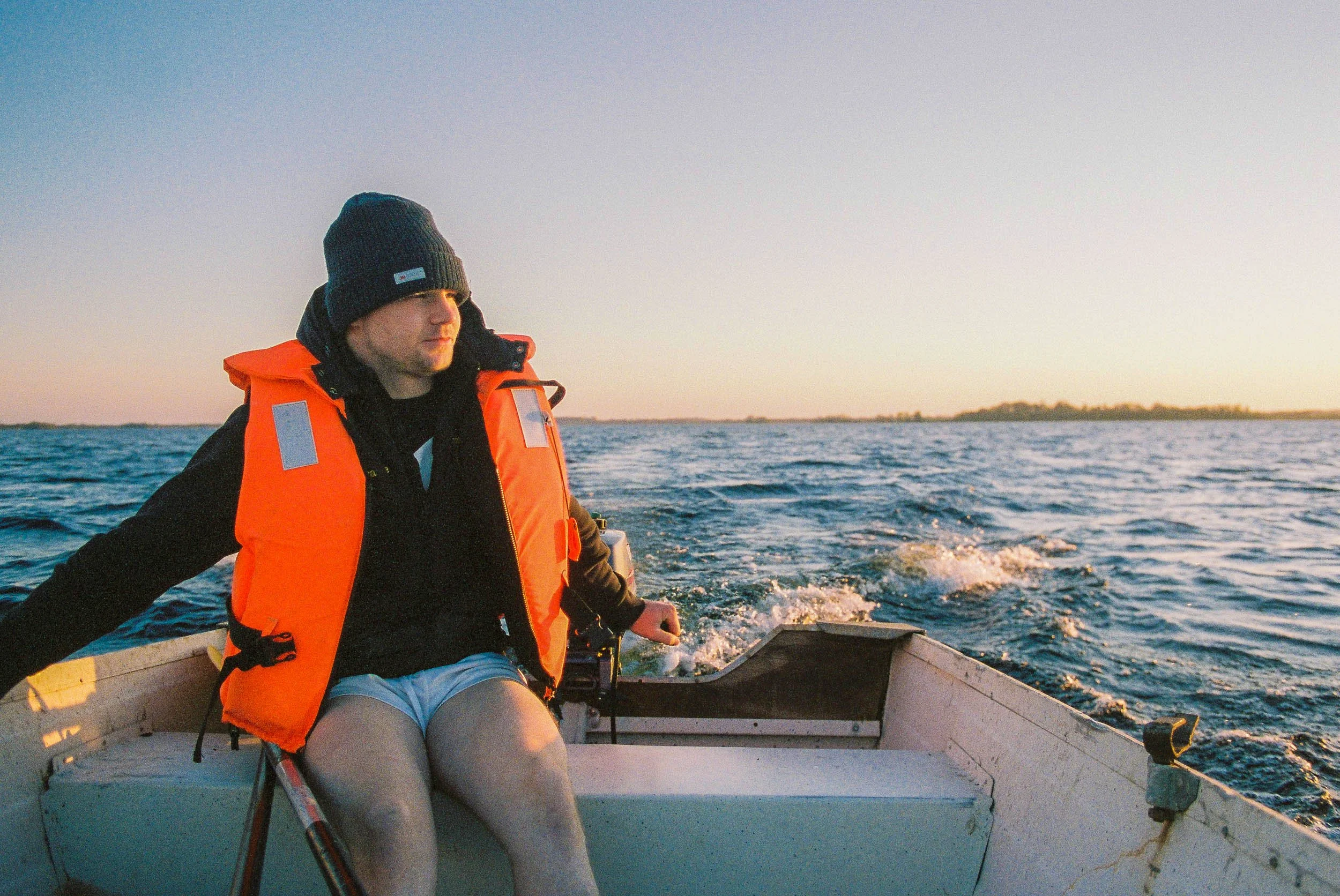
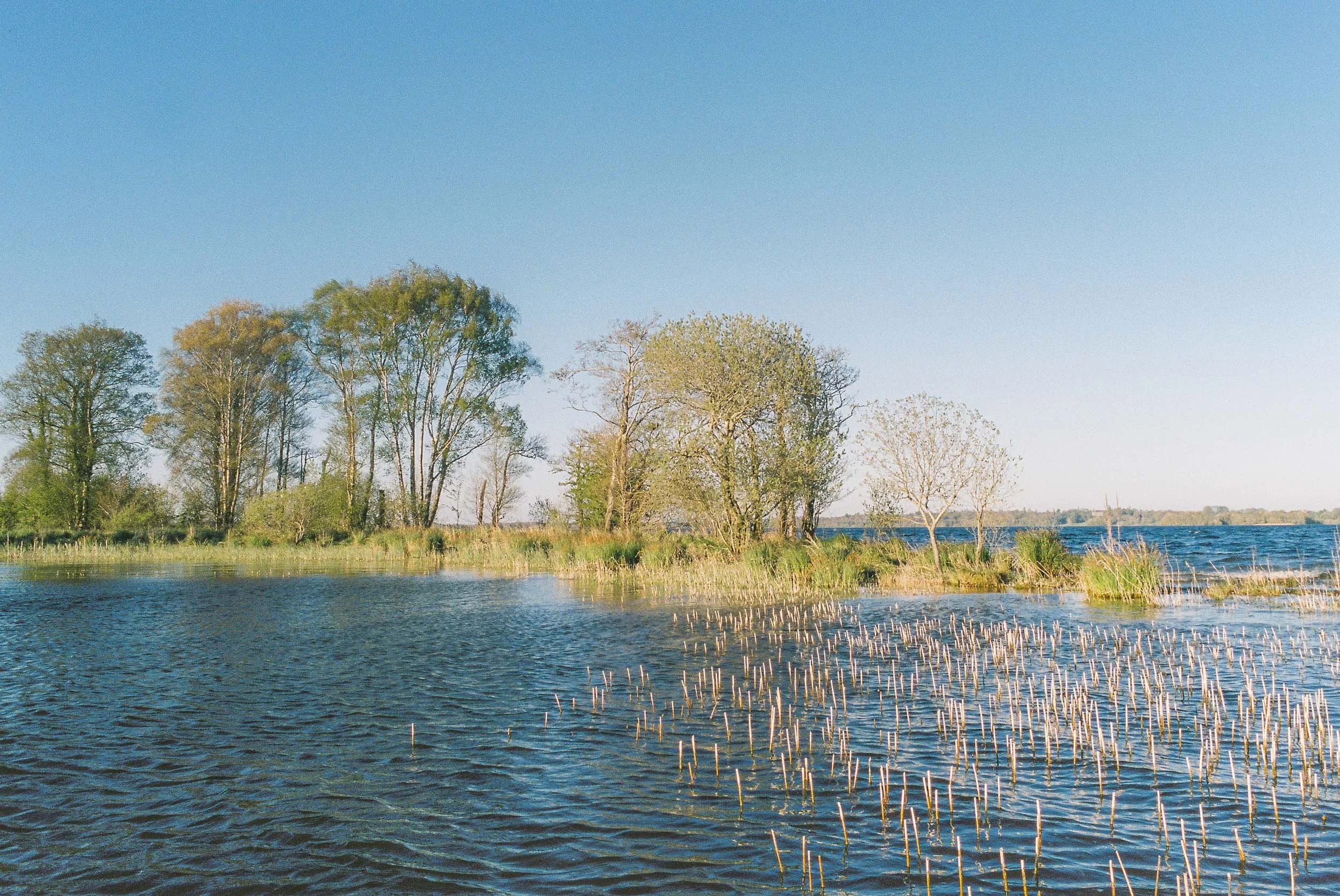
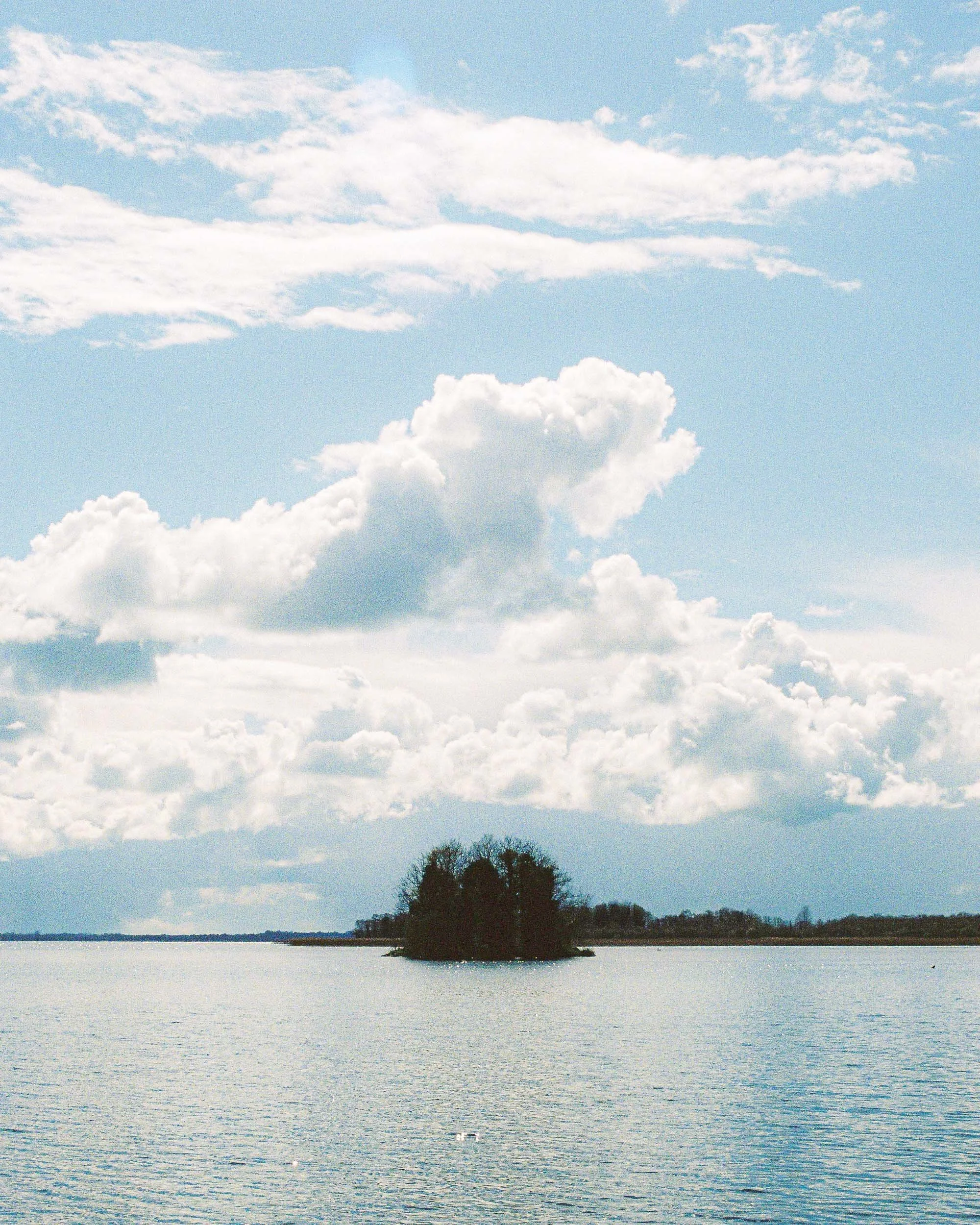
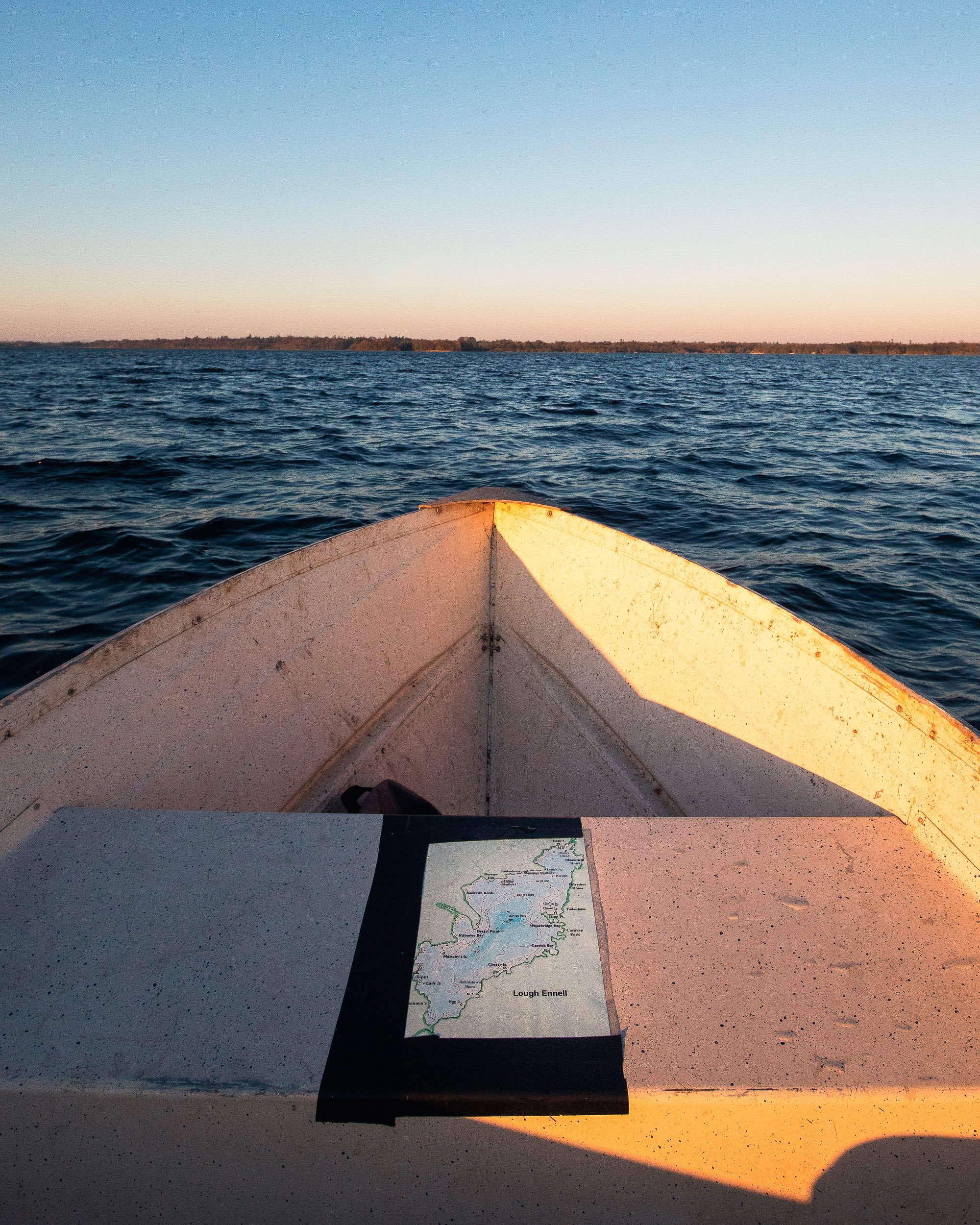
Lough Ennel in Westmeath is a body of water steeped in history and surrounded by picturesque scenery. This shallow lake, approximately 3 km long and 1.5 km wide, is believed to have been the site of a monastery founded by King Malachy in the 12th century. Today, the lake is dotted with several small islands, each with its own unique character and charm. From St. Kevin's Island, named after the famous Irish saint, to Church Island, which is home to the ruins of a medieval church, Lough Ennel offers visitors a glimpse into Ireland's rich cultural heritage. The peaceful atmosphere and serene surroundings of this lake make it a popular destination for nature lovers and history buffs alike.
-
Belvedere House Gardens & Park
Lilliput Adventure Centre
Tullynally Castle & Gardens
Ladestown Shore
-
Introduction
This lake is one of the most historic parts of the Midlands. People have lived in the Ennell area for at least six thousand years and the lake is a particularly rich archaeological heritage.
Saint Colman's Monastery
Close to the northern shore of the lake,along the River Brosna,a monastery was founded in the sixth century by Saint Colman of Lynn. The original church was a wooden structure but the remains of a later stone church can still be seen on the site. The Betha Colmain or Life of Saint Colman was written around 1123 and this work contains the first reference to Mullingar-the left-handed mill. The Betha Colman is now in the Town Hall in the town of Rennes in France.
Belvedere House
Belvedere House on the eastern shore of Ennell was built around 1740 by Richard Cassell for Robert Rochfort,Earl of Belvedere. Later owners of Belvedere included noted art collector Charles Brinsley Marley,whose art collection is now in the Fitzwilliam Museum in Cambridge,and Charles Howard-Bury (1883-1963),explorer,mountaineer,botanist and politician,who led the first Reconnaissance of Mount Everest in 1921. The gardens at Belvedere contain plants and flowers brought back from the Himalayas and China by Howard-Bury
Bloomfield Hotel
The Bloomfield Hotel was a convent and secondary school from 1933 to 1977. It was originally the dower house for Belvedere and was named after Lady Dorothea Bloomfield,a member of the Rochfort family. During the First World War it served as a Red Cross hospital for wounded soldiers.
Mullingar Golf Club
Mullingar Golf Club moved to its present location beside Lough Ennell in 1936. The course was part of the Belvedere Estate until leased to the Golf Club by Colonel Howard-Bury. The Club hosts the annual Mullingar Scratch Cup every August. Winners of the Cup include Rory McIlroy,Padraig Harrington,Darren Clarke and Shane Lowry.
Tudenham House
Further along the shoreline is Tudenham House. Now in ruins,this house was designed around 1756 for George Rochfort,brother of the Earl of Belvedere. It was later the home of Sir Francis Hopkins,a noted explorer who visited the court of the Shah of Iran in the 1830's and also travelled through Egypt in the 1840's. In the 20th century,Tudenham was home to the Tottenham family. They were a distinguished military family. Lt Desmond Tottenham was killed in 1916 at the Battle of Jutland ,while Anthony Tottenham was killed in the Second World War while serving with the RAF. His brother Nick and father Harold survived three years in a Japanese camp in Singapore. The Tottenhams left Tudenham in 1957.
Carrick
Further along the eastern shore of Ennell is Carrick. In the Early Christian Era,this was the Royal Assembly site of the kings of Fartullagh-a territory stretching from Ennell as far as Rochfortbridge. In 1053,the lands at Carrick were granted by the then King of Mide to his wife as her own mensal lands. Carrick remained the land of the Queens of Mide until after the Anglo-Norman conquest.
Dysart
Dysart on the south-western shore of the lake is the most historically significant part of Ennell. This was the location of Dun na Sighe-the Fort of the Shields,which was the main residence in the ninth,tenth and eleventh centuries of the Clann Cholmain,who were Kings of Mide,and were also High Kings of Ireland. The most important of these kings was Malachy Maelsechnaill Mor,who was High King of Ireland from 980 to 999 and again from 1014 to 1022. Malachy surrendered the High Kingship to Brian Boru in 999 after a meeting at Uisneach,but reclaimed the kingship after the Battle of Clontarf. Malachy died at Dun na Sighe on September 2nd 1022 and was buried on a crannog called Cro Inis on the lake.
Viking Settlements and Treasures
The Vikings appear to have settled in the Ennell region and to have traded with the Irish. Coins minted in ninth century Baghdad,Tashkent,Samarkand and Anglo-Saxon England have been found in the lake. The National Museum contains a major hoard of silver ingots-one of the largest Viking hoards yet found in Ireland,. These ingots were discovered at Dysart.
The National Museum also displays a number of other significant treasures from Ennell. There are several gold torcs from the Dysart area-made around 2000-1800 BC. There is also a ceremonial axe made from jadeite. The jadeite was quarried in northern Italy and brought to Ireland about 4000 BC. The axe was found close to Tudenham in a townland known as Paslickstown.
Lilliput Adventure Centre
Lilliput Adventure Centre on the lake shore near Dysart is associated with Jonathan Swift. He was a frequent visitor to Lough Ennell,staying with the Rochfort family at Gaulstown House near Rochfortbridge. It is said that he got the idea for the little people of Lilliput in "Gulliver's Travels" while looking across the lake and seeing the tiny figures on the distant shoreline. It is also possible that he got the name Lilliput from a mangled version of the name Laputia- who was a sister of St Patrick.
Ladestown and the Lyons Family
Ladeston on the eastern shore of Ennell was the home of the Lyons family for almost three centuries. The most distinguished member of the family was John Charles Lyons. He was a world authority on orchids and wrote a book about orchids in 1843 which is still in print. He built his own printing press at Ledeston House (the press is now in the County Library).He also did much research into the history and antiquities of Westmeath. Ledeston House was also the location of Westmeath Polo Grounds. Westmeath won the All Ireland Polo Championships in 1896 and 1897.
During the Williamite War of 1689-91,the army of William of Orange was stationed in Mullingar and the soldiers encamped along the lake shore (which then was much closer to Mullingar than it is now. ).These soldiers came from all over Europe- Irish, English,Dutch,German,Walloon,Danish and even Finns and Croats From Lough Ennell they would march westwards in May 1691 to capture the Jacobite stronghold of Athlone.
From the thirteenth to the eighteenth century the Ennell area was a stronghold of the McGeoghegan tribe. They ruled over a wide section of south Westmeath and many of their tower houses and castles can still be seen close to the lake. Their inauguration stone was at Castletown Geoghegan in what are now the grounds of Middleton Park. Middleton was the home of the Boyd-Rochfort family for more than a century. Captain George Arthur Boyd-Rochfort (1880-1940),won the Victoria Cross-Britain's highest military award for bravery during the First World War. His brother,Cecil Boyd-Rochfort was one of the most successful horse trainers of the 20th century. He was Trainer at the Royal Family stables from 1943 to 1968,working for King George V1 and Queen Elizabeth .
A canal runs from Ennell to Mullingar. Known as Lacey's Canal,it was built around 1782 to transport peat from the bogs around the lake to Mullingar.
Like the other Westmeath lakes,Ennell has always been noted for the quality of its fish. In July 1894,a brown trout weighing 26lb,20 oz,was caught in the lake by William Meares from Mullingar. It is still recorded in the Guinness Book of Records as the largest brown trout ever caught in Ireland
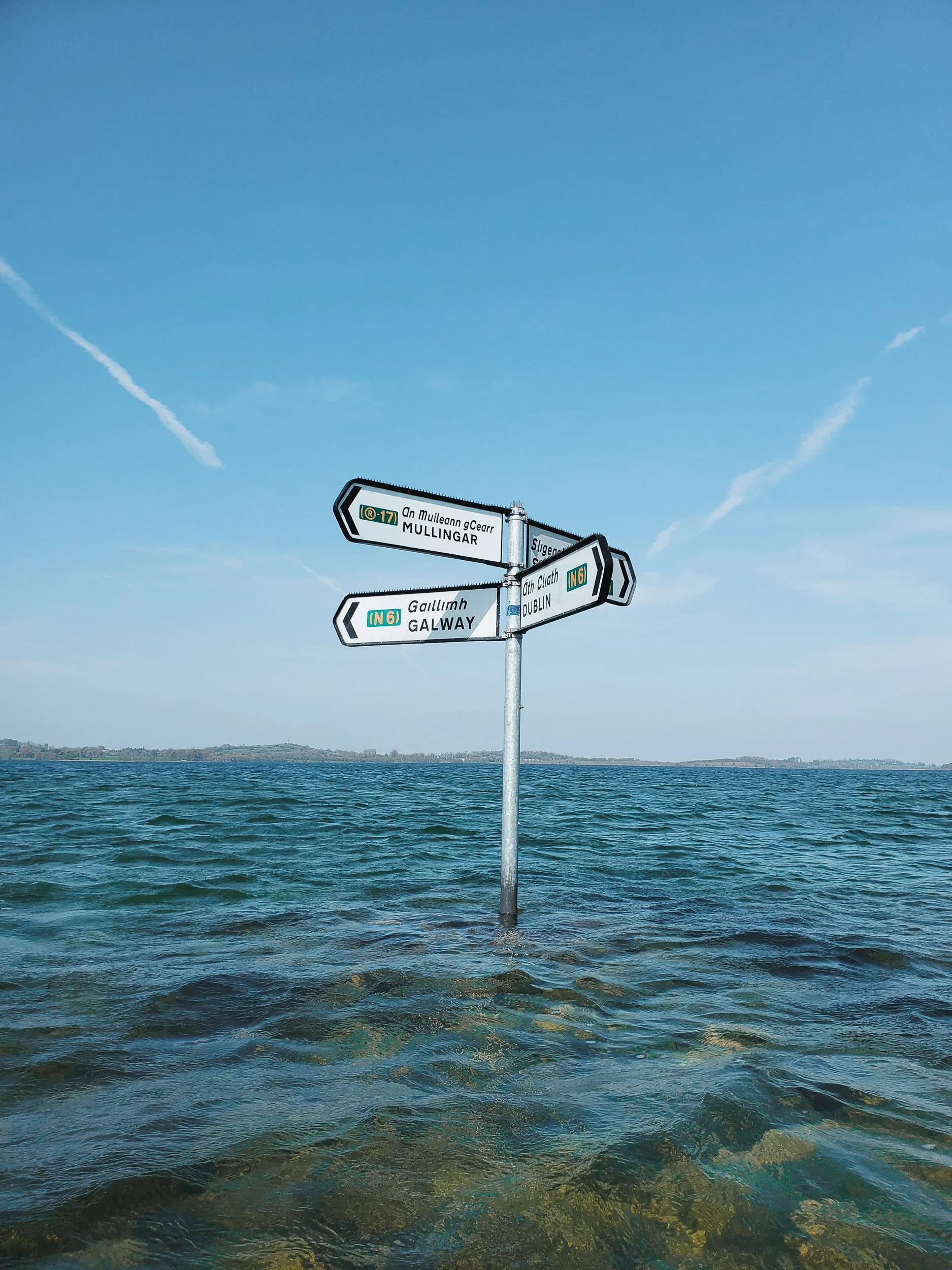
Lake 3: Lough Owel
-
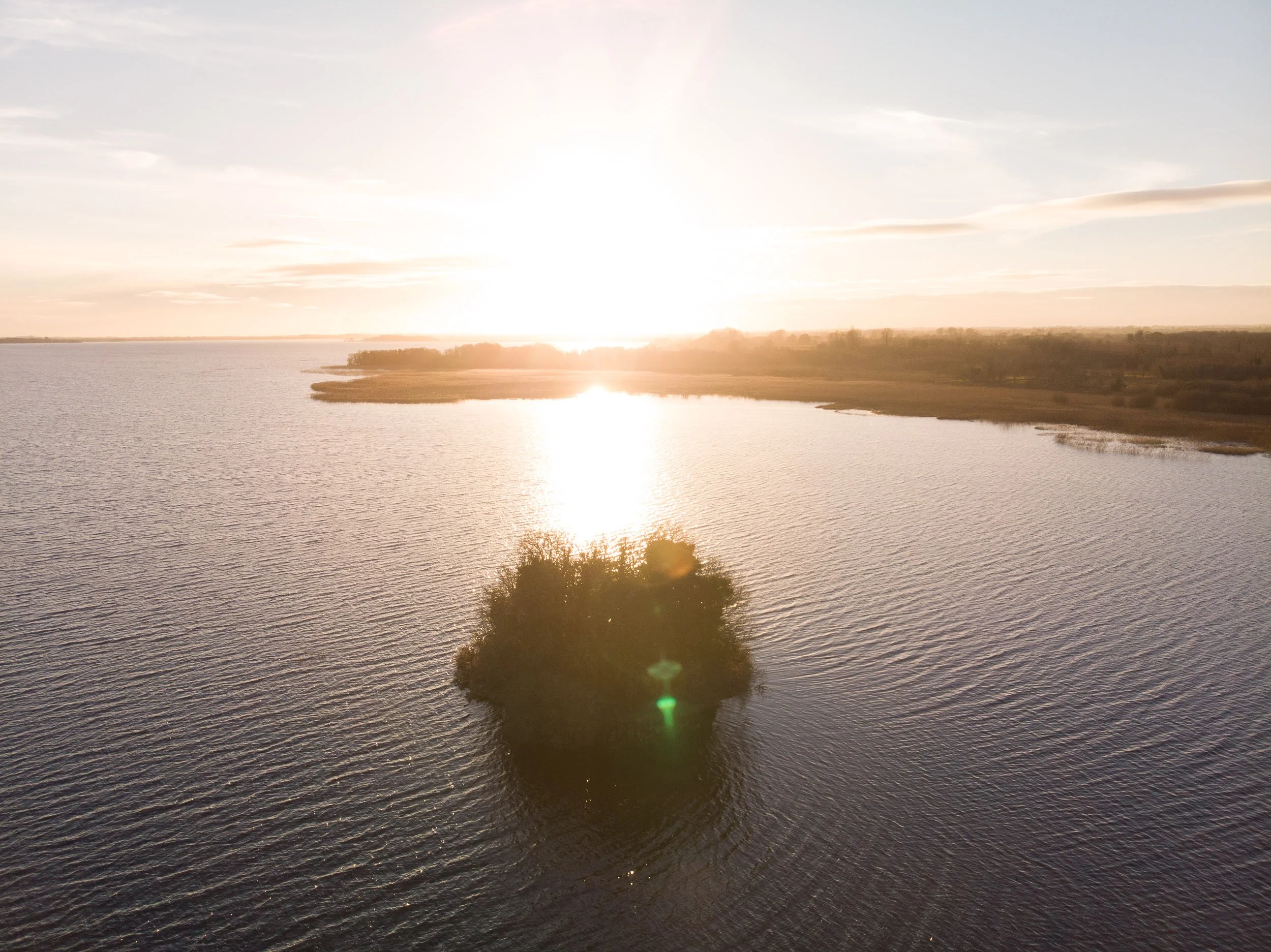
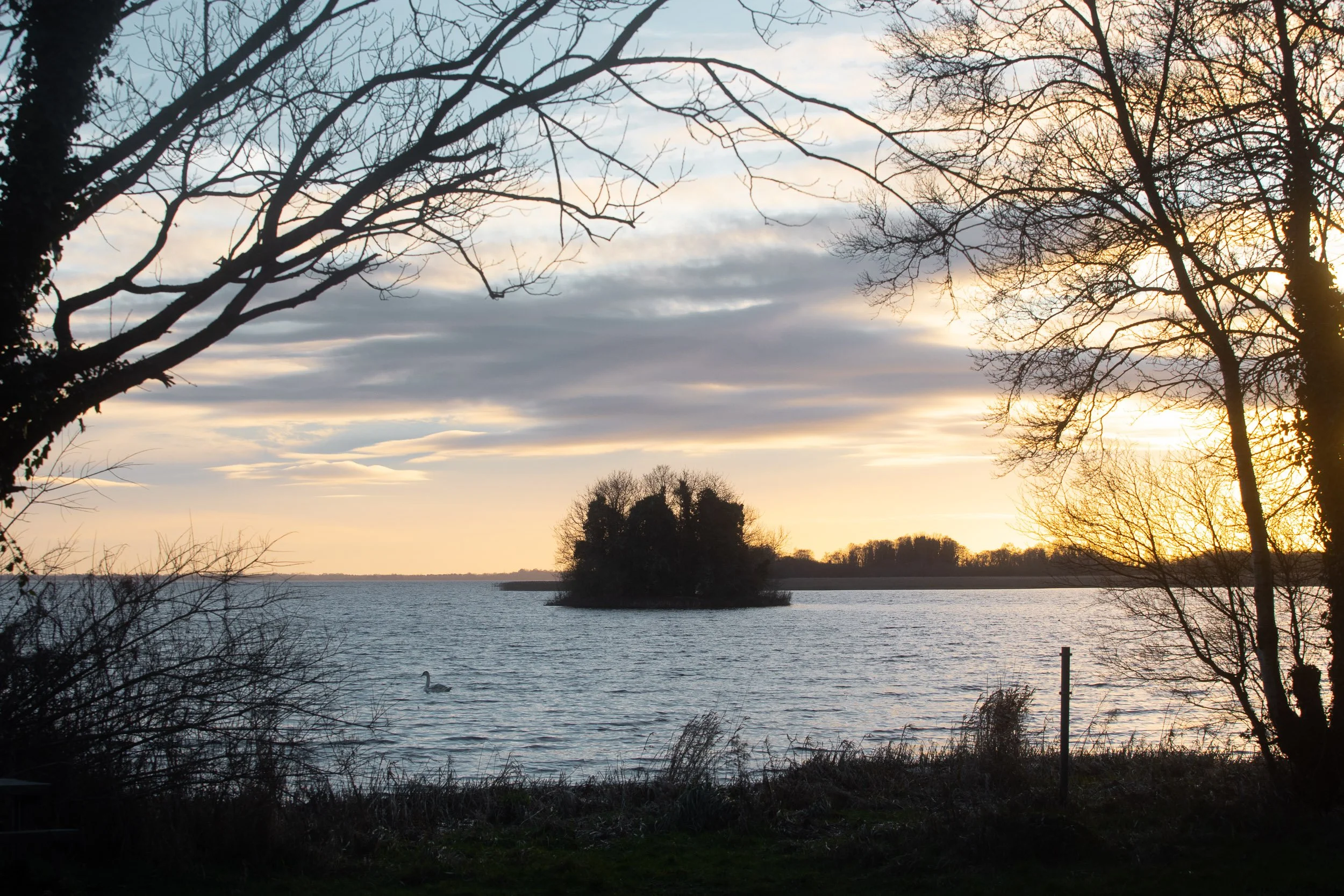
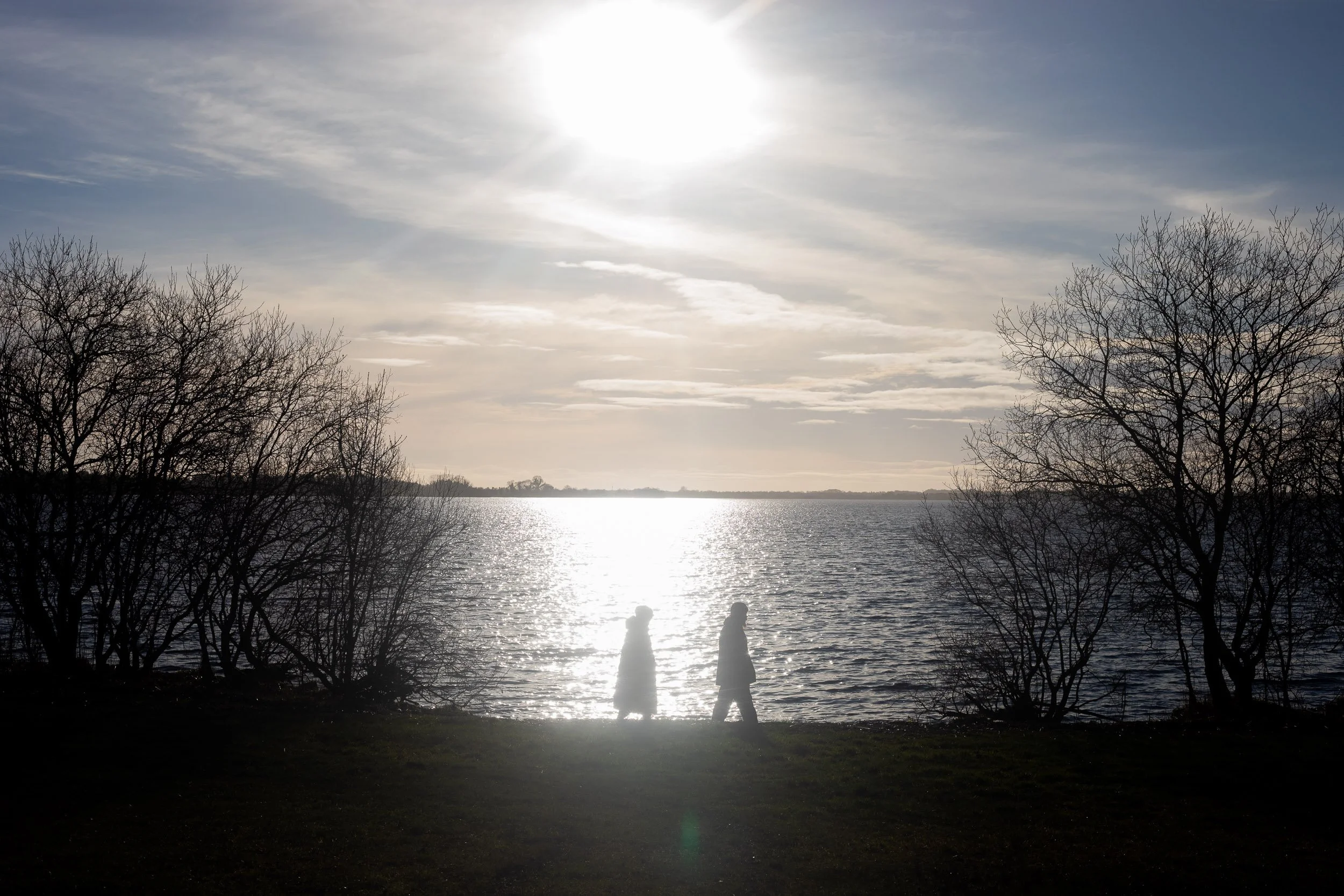
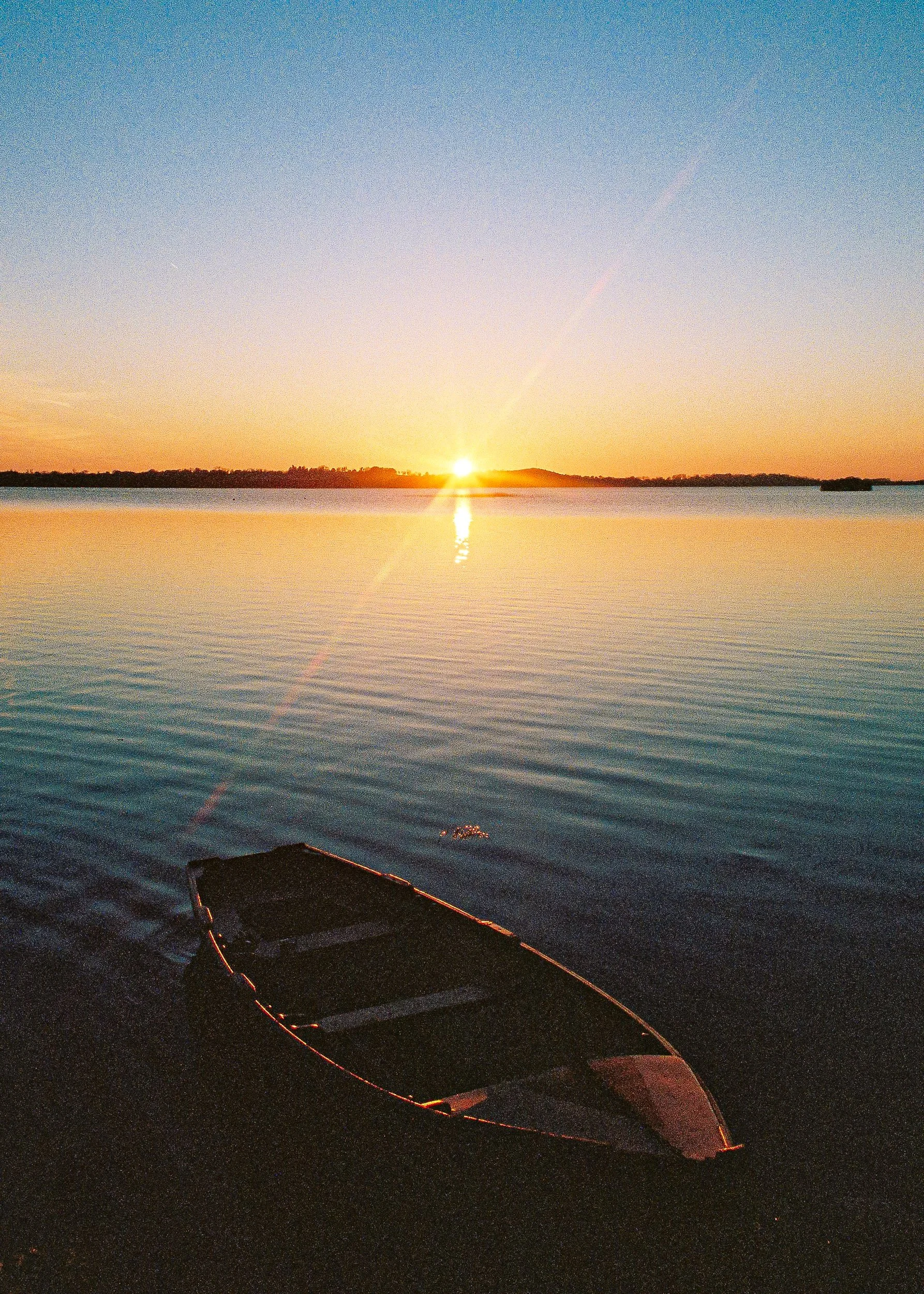
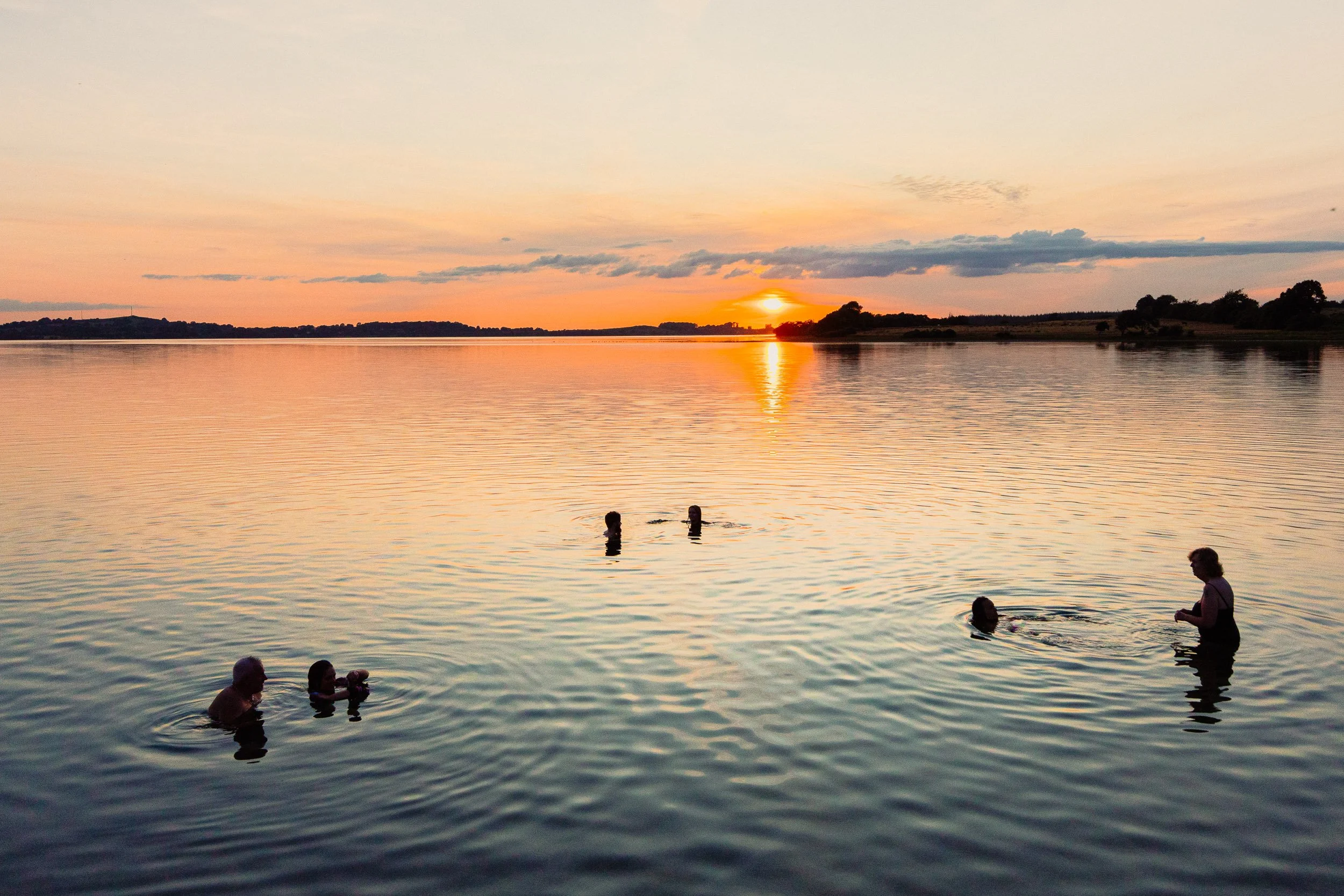
Lough Owel is a large freshwater lake located in Westmeath, Ireland. It is known for its scenic beauty, and is a popular spot for activities such as fishing, boating, and bird watching. The lake is surrounded by rolling hills and countryside, making it a peaceful and tranquil place to visit. Visitors to the area can also explore nearby historical sites and local attractions. With its breathtaking views and diverse range of activities, Lough Owel is a must-visit destination for anyone looking to escape the hustle and bustle of city life and experience the beauty of the Irish countryside.
-
The Sailing Club
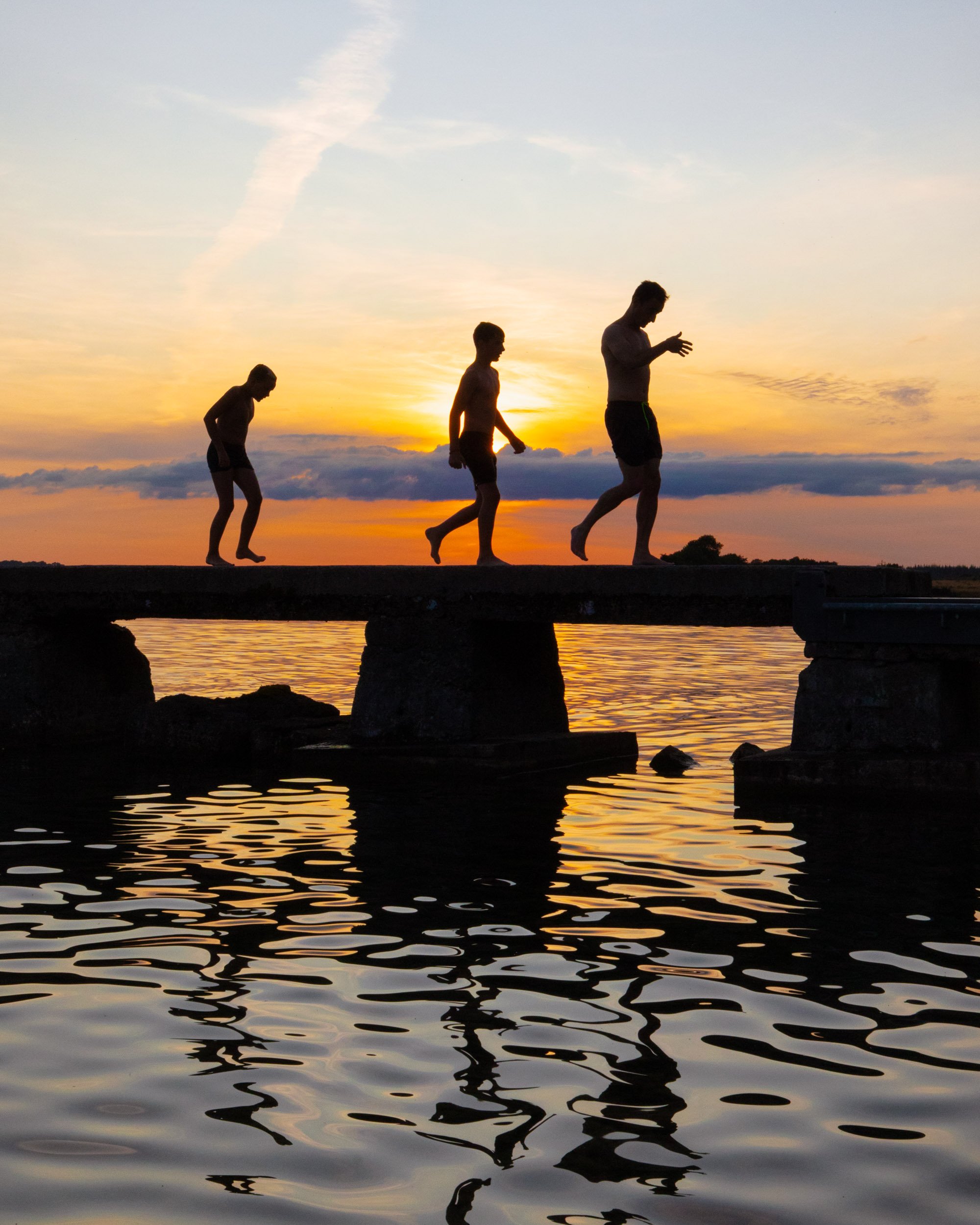
The diving boards
Church Island
-
Lough Owel is a place of great historical significance. It is the place where the Viking Chief Turgesius was reputedly drowned by Irish High King Malachy in 845,and is also linked with the first Christian missionaries in the Mullingar area . The lake has been a site of human habitation for at least four thousand years. Bronze swords and spears dating back to 700 BC have been found in the lake.
Frewin Hill
Frewin Hill on the western shore of Owel is mentioned in Irish mythology,where it is called "Fremu".It is linked with stories about the Horse and Ploughman God,Eochaid Airem, whose palace was on the hill. Bronze Age burial sites known as ring barrows have been found on the summit of Frewin and the hill was a royal assembly site in the Iron and Early Christian Ages. There is evidence of a roadway connecting Frewin to the Hill of Uisneach and to Corlea in Longford.
Slanemore Hill
Slanemore Hill, which overlooks the south western shore of the lake is another place of immense historical and cultural importance. In the great Irish epic, The Tain, the hill is Slemin Mide, where the army of the King of Ulster assemble ahead of one of the battles with the Connaught Army of Queen Maeve. The name of the hill in Gaelic means "the hill of wealth", and it was one of the royal assembly sites of the kings of Mide the fifth province in ancient Ireland. The king was obliged to hold a feast for his people on the hill to mark Samhain, which was the Celtic New Year. The summit of the hill contains a number of burial mounds which may be aligned with sunrises and sunsets at the solstices or equinoxes.
The Captain's Hill
The Captain's Hill on the south eastern side of Owel is possibly an elaborate ring barrow of a type known as a stepped barrow. This may have been the point from which the captured Viking Chief Turgesius was thrown into the lake, nailed into a barrel after his capture by Malachy, King of Mide in 845. The Mullingar Golf Club were based beside the hill in the 1910's and 1920's.
Levington House
Levington House on the southern shore of Owel at Tullaghan was thee home of the Irish-American novelist, J.P Dunleavy from 1972 until his death in 2017. Dunleavy's acclaimed novel "The Gingerman" ,published in 1955 is one of the most successful in 29th century Irish literature. In 2015,actor Johnny Depp visited Dunleavy at Levington to discuss plans to film the novel. Levington Park was visited by James Joyce in 1900 and is described in his early novel, "Stephen Hero". Joyce's father was doing work for the County Council at the time and Levington was then the home of the County Council Secretary. There are a number of Bronze Age ring barrows in the grounds of the house.
Other famous literary visitors to Owel were William Wordsworth and Walter Scott. They were shown the lake while staying with Maria Edgeworth.
Lough Owel is the main feeder for the Royal Canal in the Midlands. It was chosen as the water supply by the Royal Canal surveyor,John Binns in the 1790's. He described Owel as having "the best water supply west of China." The feeder for the canal runs from a point beside Levington Park into the town. The Sluice Keeper's house built in 1805,is still standing right over the point at which the Supply begins
Portloman and early Christianity
Portloman on the western side of the lake is associated with the early years of Christianity in Westmeath. The place is named after Loman,a fifth century bishop who is said to have built two monasteries in the area-one on the shoreline of the lake and the other on an island in the middle of the lake which is known as Church Island.The church on the island is known as St Loman's Oratory. Some accounts claim that Loman was a nephew of Saint Patrick and there is a tradition that Patrick himself passed through the area along an ancient roadway known as the Slige Assail. Loman is also said to have saved many locals from an outbreak of plague by ploughing a furrow round the monastic land-a kind of quarantine system. A eulogy to Saint Colmcille/Columba was composed at Portloman following the death of the saint in 597. The original churches were probably wooden structures.The buildings there now date from the ninth or tenth centuries. A Pattern Day (Patron Day) took place for centuries to mark the harvest season of Lunasa. The pattern Day was supposedly a Christian event honouring Loman and Our Lady But the Pattern included many rather un-Christian activities with probable pagan origins-including the racing of horses out into the lake as far as Church Island. The Pattern Day was stopped by the Church in the nineteenth century but pilgrimages still take place on occasion.
Portloman is also said to be the birthplace of St Colman of Lynn,who would found an important monastery at Lynn on the shores of Lough Ennell. The Life of St Colman of Lynn,written in 1122/23,contains the first reference to Mullingar. Loman is said to have baptised Colman at Owel.
A flagstone in a field near Portloman church, known as Leac Lomain is said to mark the grave of Loman. A ring fort nearby may have marked the boundary between the province kingdoms of Ulaidh (Ulster) and Connacht.
On the nort-eastern side of Owel is a section of ditch which is believed to have formed part of the Black Pig's Dyke-the historic border between Ulster and the rest of Ireland in the Iron Age. At that time the borders of Ulster were much further to the south than nowadays.
The now demolished Portloman House stood close to Portloman Church. Built in the eighteenth century it was the home of Sir John de Blacquiere,a prominent political figure in Ireland around the time of the Act of Union. The walled gardens at Portloman House provided fruit and vegetables to the Viceregal Lodge in the Phoenix Park and to Dublin Castle.
Rathbennet House
Rathbennet House on the north-western shore of the lake dates from around 1750. It was once a school known as Farra School. Farra was one of a number of what were known as Charter schools set up around the country to provide education and training in agricultural skills to poor boys and girls. The school was run by a local committee made up of members of the gentry class and Church of Ireland clergy. The school remained in operation until 1899. Famous pupils included the Ulster novelist,Shan Bullock (1875-1935) and the champion high jumper,Walter Newburn (1876-1919). Rathbennet has been a private residence since 1900. One of its most recent owners was the award winning artist Roy Lyndsey.
Clonhugh House
Clonhugh House on the eastern shore of Owel was the home of three generations of the Greville family,landlords of Mullingar from 1858 until the 1920's. The first and second Lords Greville also served as Members of Parliament for Longford in the 1860/s/70's. Clonhugh had a railway halt at the bottom of the gardens,to facilitate the Grevilles on their frequent journeys to London. The house was later the home of World War Two veteran,Colonel William Harvey-Kelly (1924-2015),who served at the Battle of Arnhem in 1944 and was decorated for bravery by the British,French and Belgians.




Lake 4: Lough Derravaragh
-
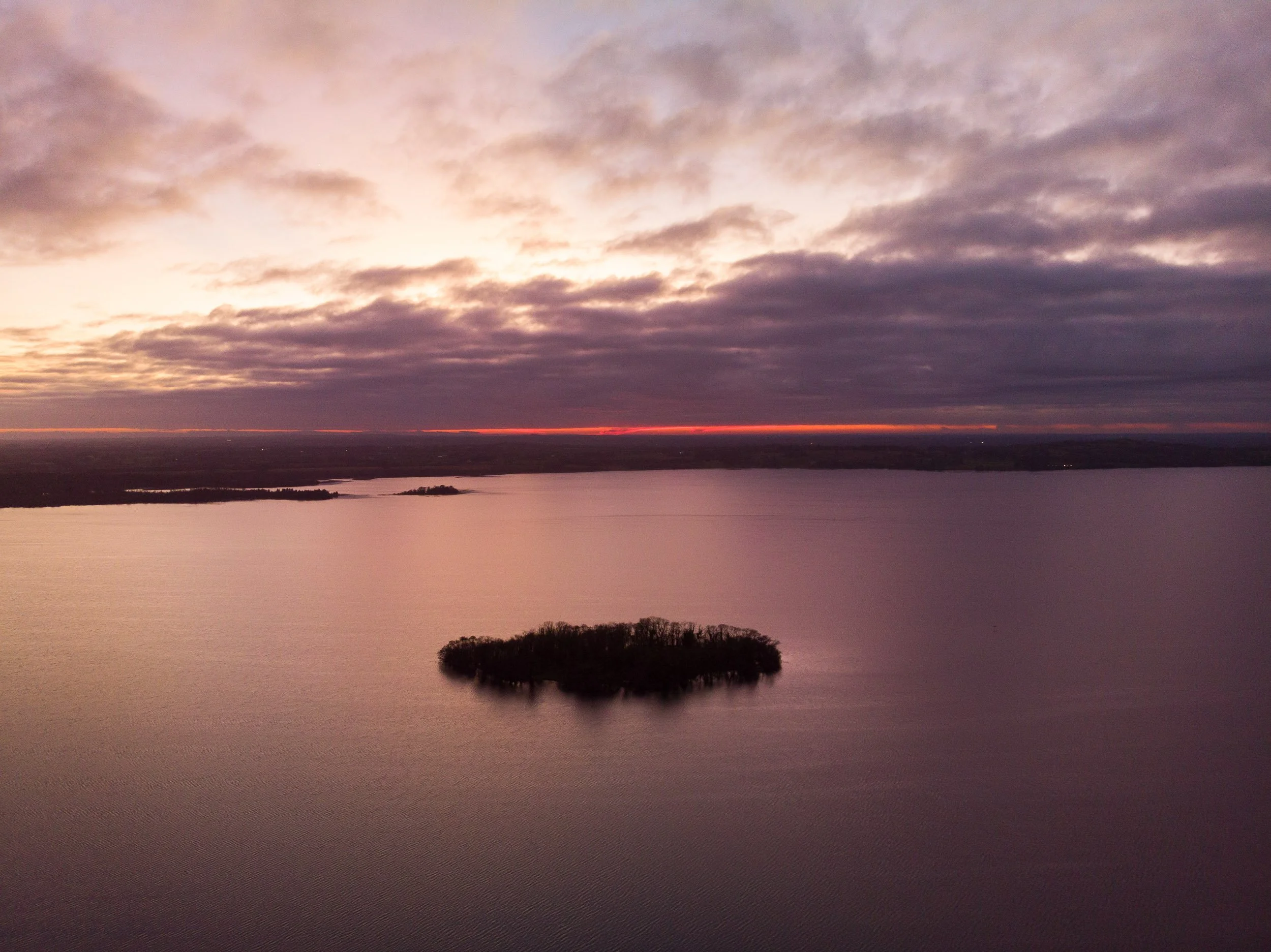
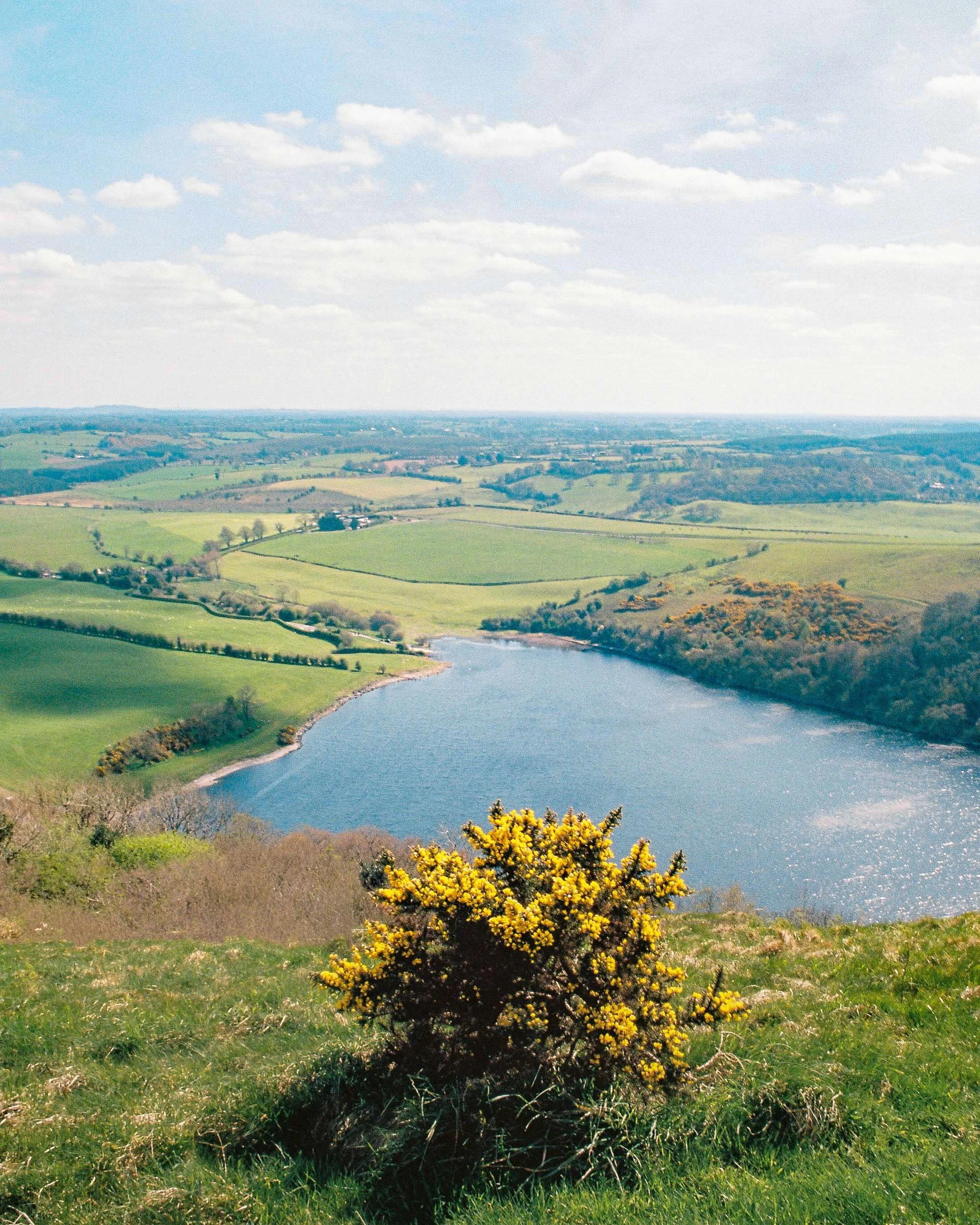
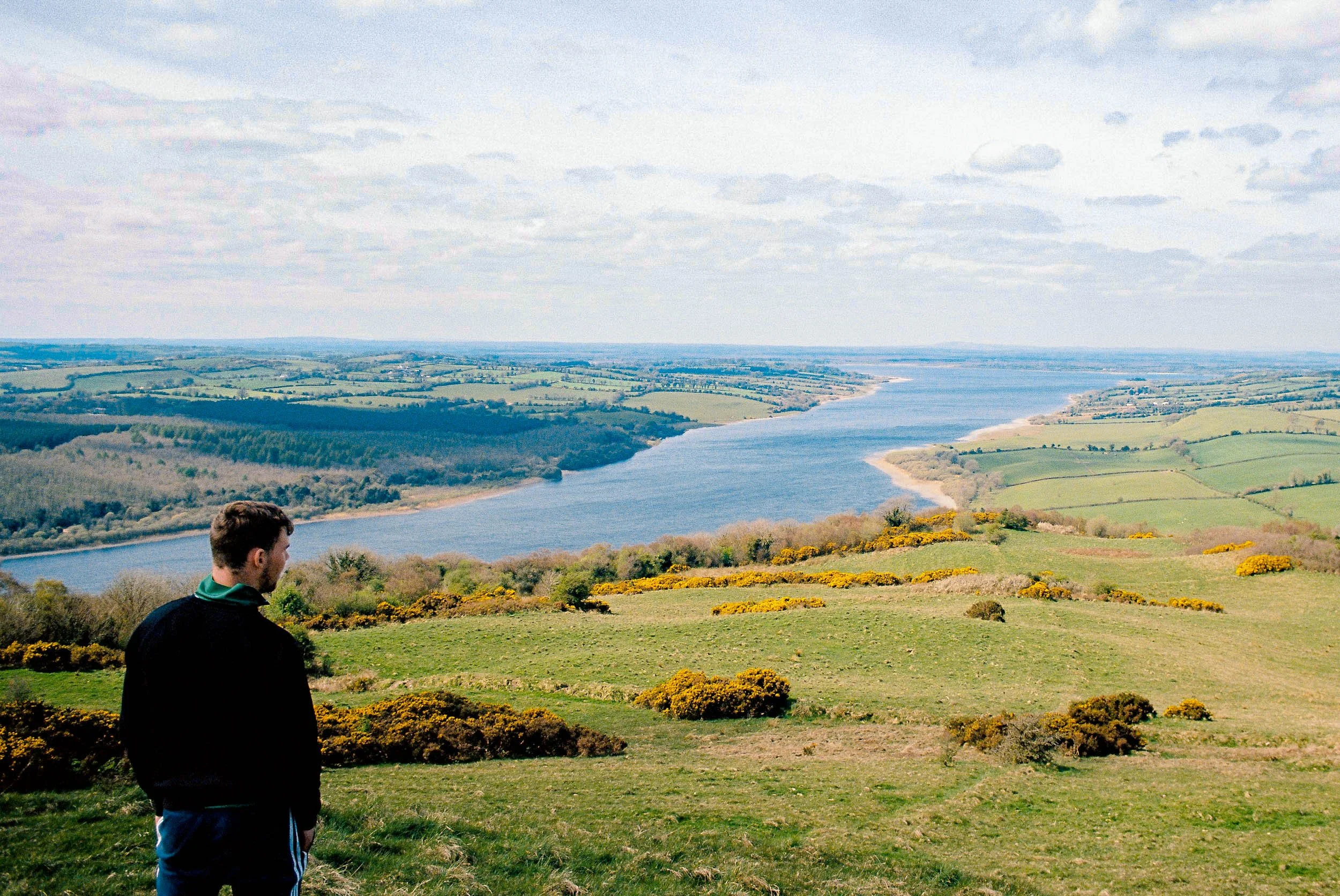
Lough Derravaragh is a large lake located in County Westmeath, Ireland. It is known for its stunning scenery and is surrounded by rolling hills and lush green landscapes. The lake is a popular destination for fishing, boating, and water sports. There are several villages and towns located along the shores of the lake, providing opportunities for visitors to enjoy local hospitality and take in the beautiful scenery. In addition, Lough Derravaragh is a designated Special Area of Conservation due to the rich variety of wildlife and habitats it supports. Overall, Lough Derravaragh is a stunning natural feature that offers a range of outdoor activities and breathtaking views for visitors to enjoy.
-
Knockeyon hill
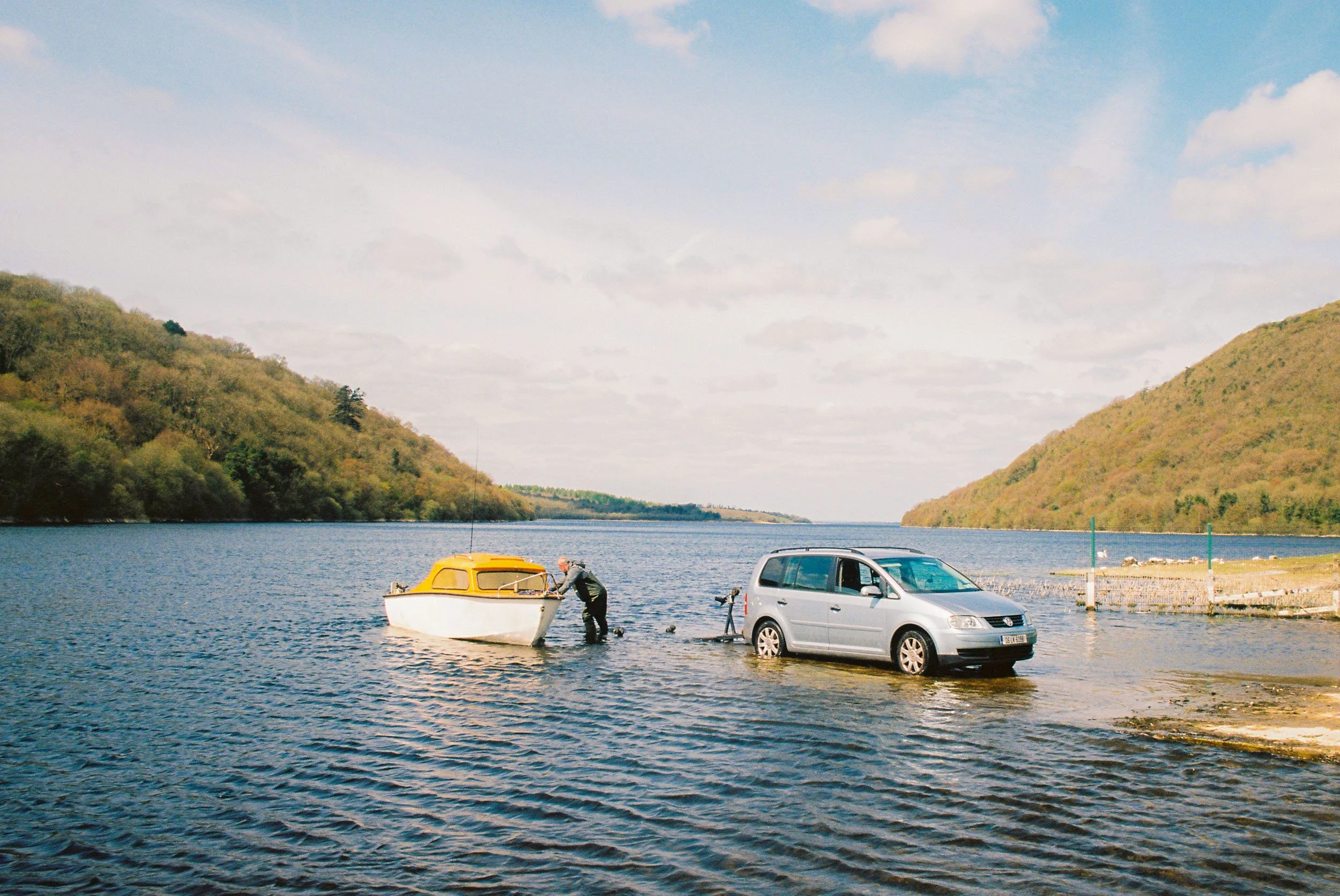
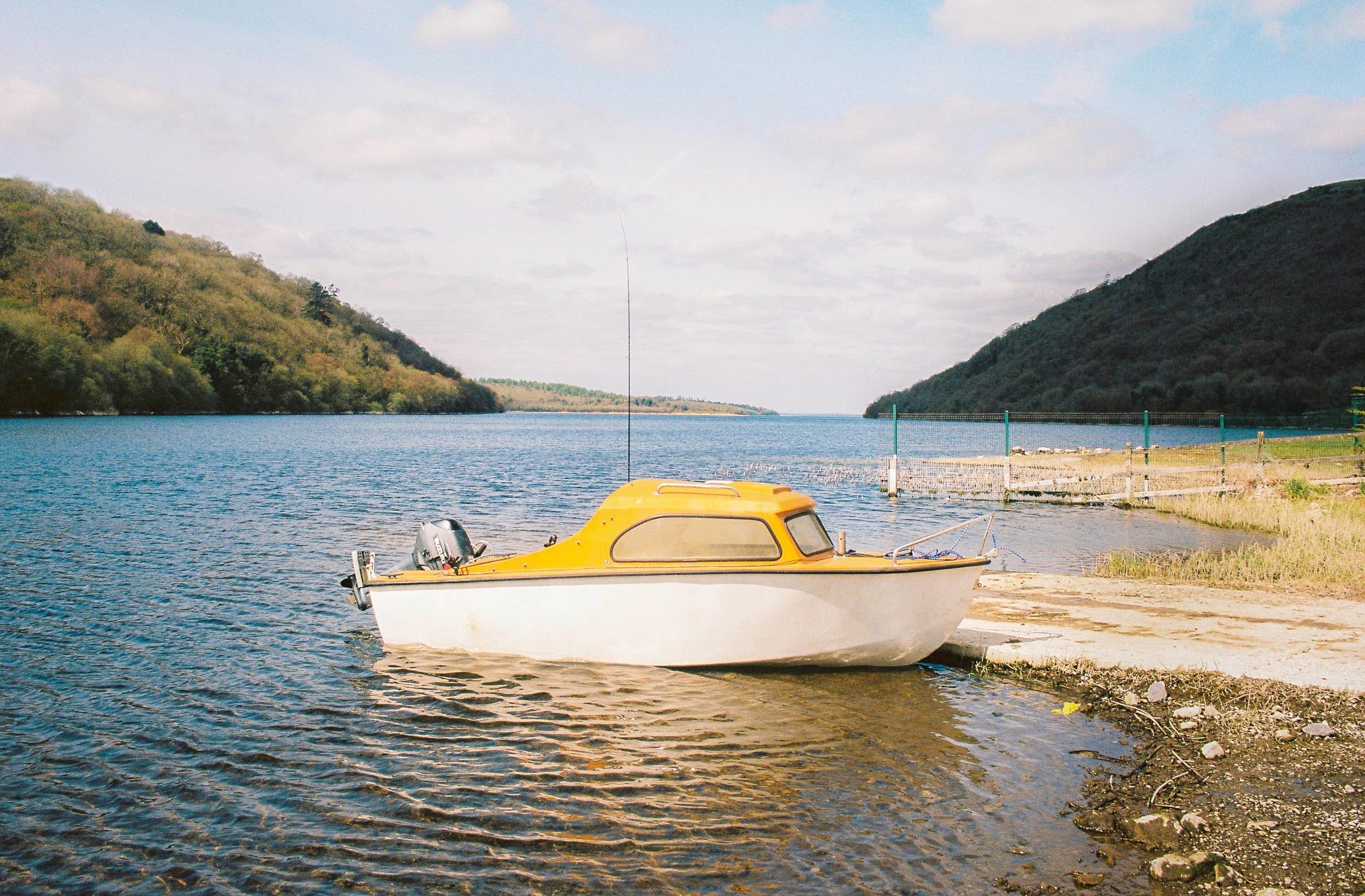
You can also hire a boat by Fish Wild Ireland
-
Folklore
This swan shaped lake is the setting for part of one of the most beautiful and famous of Irish legends-the Story of the Children of Lir. It is at Derravaragh that the four children of Lir are turned into swans by their stepmother and they spend the first 300 years of their nine century long period in swan form.
Historical significance
Derravaragh is ten kilometres in length and can be seen from earth orbit. . The history of human settlement around the lake goes back some seven millennia,with archaeological evidence of people living there during the Mesolithic area around 5000 BC. Bronze swords dating back some three thousand years have been found in the lake.. Stone tools from that era found at Derravaragh are on display in the National Museum. A large wooden dugout canoe was also found in Derravaragh dating back to the Bronze Age and there are a number of crannogs-most notably at Coolure,which seem to have served as homes for tribal leaders around 800AD.
Knoc Eyon
Knoc Eyon,which overlooks the lake on the south-eastern shore ,is one of the highest hills in Westmeath at 270 metres. Eyon is said to have been a Christian hermit or monk who lived on the hill and there is an old well near the summit which has long been a place of veneration and pilgrimage in his honour on the first Sunday of Lunasa (Bilberry Sunday).. It is probable that the hill was a sacred place in pre-Christian times and was then given a Christian coating. In the early nineteenth century,the pilgrimage was denounced by local clergy as "lewd and obscene". Another hill nearby is known as "Wizard's Hill".
Tullynally Castle
Tullynally Castle on the north-eastern shore of Derravaragh has been the home of the Pakenham family since 1698. The family have distinguished themselves in the military and as writers and historians. General Ned Pakenham served in the British Army during the Peninsular War in Spain and Portugal (1808-1814) and was killed at the Battle of New Orleans in 1815,during the Anglo-American War of 1812.-15. The 7th Earl of Longford,Frank Pakenham, was a Minister in the British governments of 1945-51 and 1964-70 nd was a leading prison reformer and anti-pornography campaigner. The 6th Earl,Edward Pakenham,was a playwright and co-founder of the Gate Theatre. His wife,Christina Pakenham,was a playwright and a member of the board of the Gate. The present Earl,Thomas Pakenham,is a historian of distinction and a world expert on trees. The gardens of Tullynally contain plants and trees brought back by Thomas from China,Tibet,India,Iran and other lands.
Castle Ruins
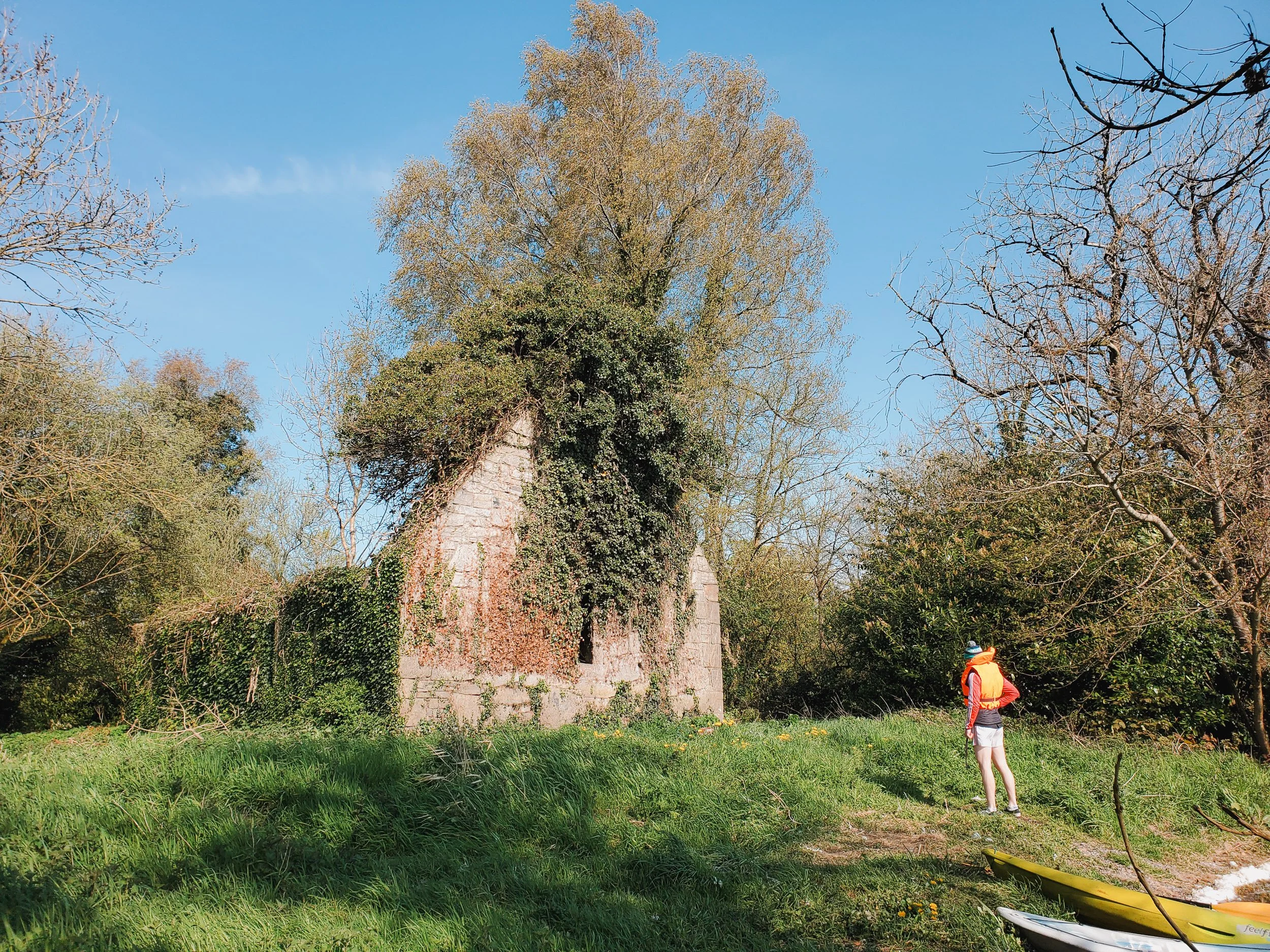
Faughaltstown on the northern shore of Derravarragh contains the ruins of a castle which belonged to the Mortimer family. The Mortimers were among the most important families in late medieval England and were related to the English Royal Family of the time. One of the Mortimers was married to a granddaughter of King Edward the Third.. Ann de Mortimer,born at Faughaltstown in 1390,was the grandmother of King Richard the Third..
Caravan Park
Donore caravan park on the lake shore near Multyfarnham was part of the Donore estate which was owned for centuries by the Nugent family. The Nugents were among the most important and powerful of the Anglo-Norman families who settled in Westmeath in the thirteenth century. One branch became Protestant in the eighteenth century but other branches-including those at Donore,stayed Roman Catholic. The Donore Nugents were among the founders of Multy Friary in the thirteenth century and were patrons of the friary for over 500 years-sheltering the friars during times of persecution. Several members of the Nugent family emigrated to the Austrian Empire in the eighteenth century and served with distinction in the Hapsburg military and in political offices such as the governorships of Prague,Dalmatia and Verona.. Sir Walter Nugent,one of the Donore Nugents,was MP for South Westmeath from 1907 to 1918 and was a noted horse owner .
Art
The Scottish artist Erskine Nicol lived at Derravaragh for some years in the 1860's. He painted many pictures of the lake and of the houses and people of the area. He lived in a cottage at Donore.

Lake 5: Lough Sheelin
Lough Sheelin is a lake located in County Westmeath and County Cavan, Ireland. It is known for its excellent fishing, particularly for brown trout, and is a popular destination for anglers. The lake is surrounded by rolling hills and farmland, offering scenic views and peaceful surroundings. There are several small villages located around the lake, and a number of country roads and walking trails offer opportunities to explore the area on foot or by bike. Lough Sheelin is a peaceful and tranquil destination, ideal for fishing, birdwatching, or simply taking in the natural beauty of the Irish countryside.
Images to be displayed this Summer!
Lake 6: Lough Lene
-
Lough Lene is a unique and tranquil lake located in Westmeath, Ireland. With its clear and clean waters, it is a popular destination for boating and fishing. The lake is surrounded by rolling hills and lush green forests, providing a peaceful and serene environment for visitors. In addition to its recreational opportunities, Lough Lene has a rich cultural and historical heritage. Ancient ruins and monasteries can be found in the area, reflecting the rich history of the region. Whether you're looking for a relaxing day on the water or an opportunity to explore the cultural and natural wonders of the area, Lough Lene is a must-visit destination in Westmeath.
-
‘The Cut’
A popular spot among the locals with a boardwalk, carpark, picnic area and marine point.
-
The Historical and Geological Significance of Lough Lene
This beautiful lake is one of the most historically important areas of Westmeath and is also of great geological significance.
Lough Lene has probably been a site of human habitation for at least five millennia. Rindoon hill overlooking the lake contains ringbarrows dating back to the Bronze Age,as well as a hillfort dating to 800 BC.. The hill is also believed to have been the site of a royal assembly seat of the Kings of Mide in the first millennium AD.
Roman Style Boat and Monastic Connection
A boat found in the lake dating back to the third or fourth century AD belonged to a tradition of boat building found in the Mediterranean region. It is the only example of a Roman style boat found north of the Alps and outside the Roman Empire and may be proof of trading links between the Roman Empire and Ireland .
The National Museum has on display a ninth century bronze church bell known as the Lough Lene Bell. The bell was probably made for a monastery which was located on one of the islands on the lake. A replica of the bell is used in Dail Eireann and there is another replica in the cathedral museum in Mullingar.
Geological Connection and Late Medieval Town
Lough Lene is uniquely connected to both the Atlantic and the Irish sea by rivers. The River Deel flows eastwards from Lene to eventually join the Boyne and eventually the Irish Sea,while the River Inny flows westwards into Lough Derravaragh and onwards into the Shannon and so to the Atlantic. Geological evidence suggests that Lough Lene and nearby Fore were once part of a vast valley and delta similar to some of the river deltas now seen in China and Vietnam .
The village of Fore close to Lough Lene was an important town in late medieval times and once hosted a meeting of the Irish parliament. A monastery was founded at Fore by St Fechin in the sixth century and a Benedictine monastery was founded around 1235 . Parts of the medieval town wall and prison are still standing.
Village of Collinstown and Local Beliefs
The village of Collinstown near the lake was once known as Maypole and there was a maypole on the village green. In Irish the village is known as "Baile na Cailleach-the town of the veiled women. This may refer to a convent for nuns which is said to have been situated on one an island on Lene known as Nun's Island.. but the name "cailleach" also means" witch"and may refer to the pe-Christian religious beliefs of the local people.
Lake 7: Lough Sunderlin
-
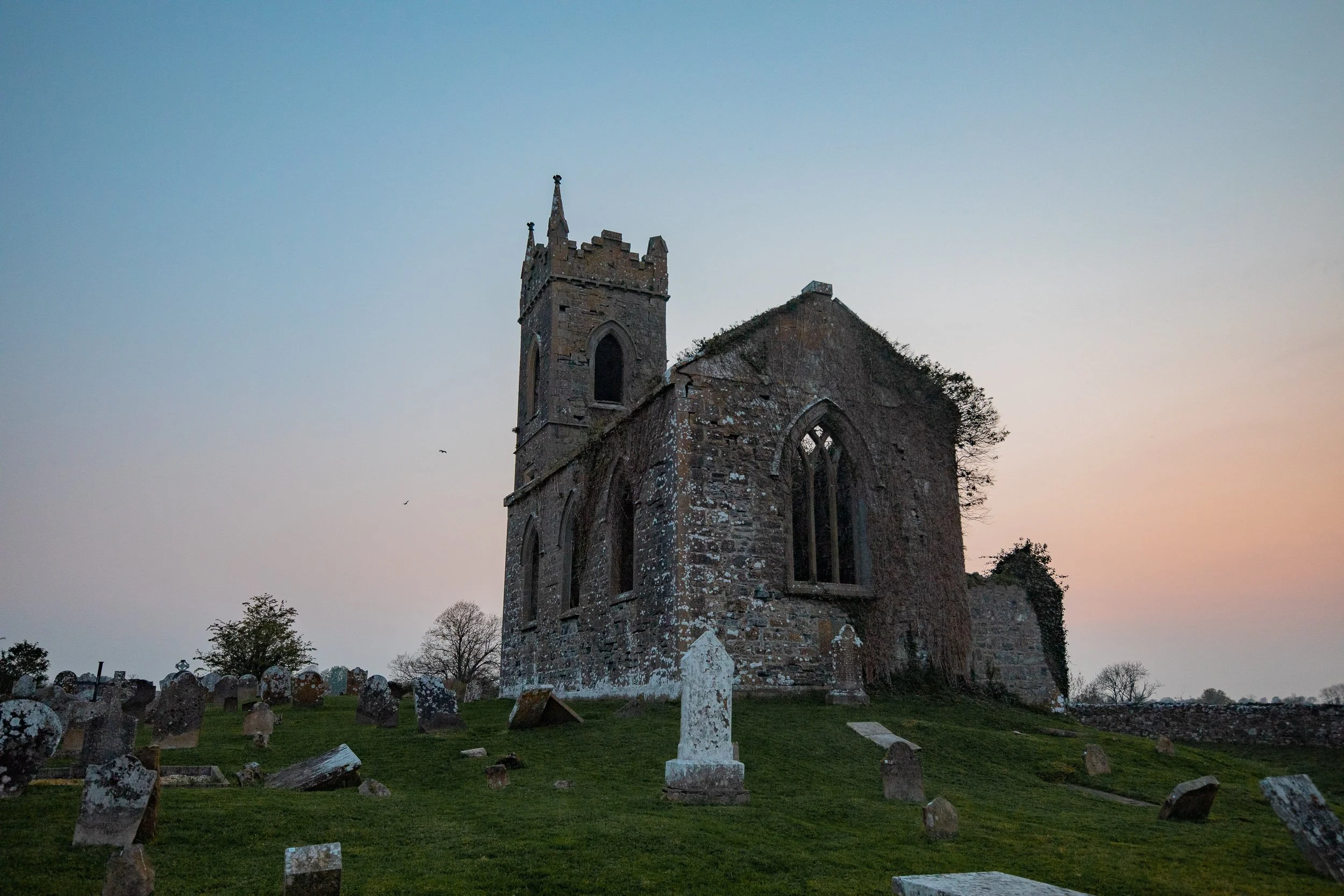
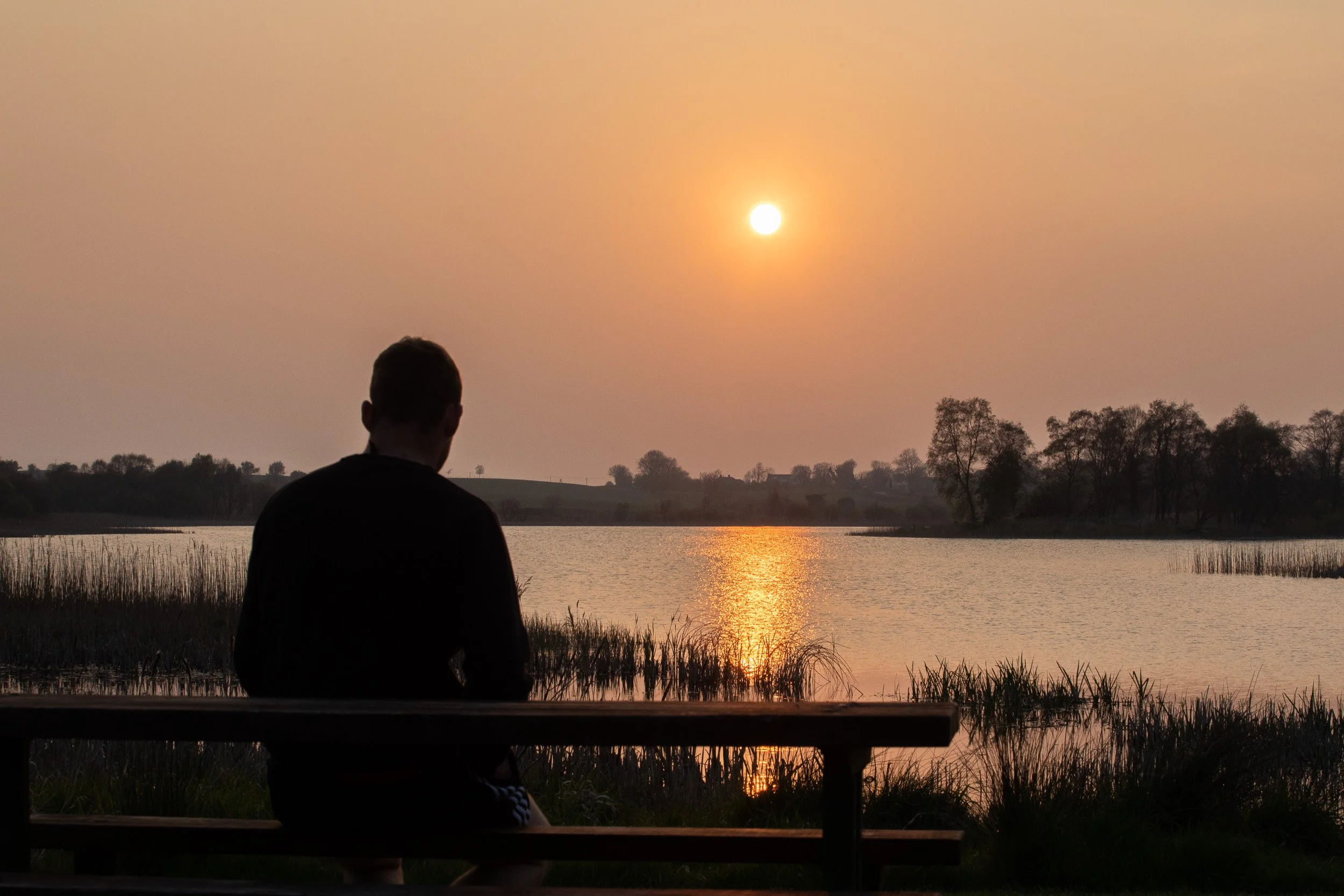
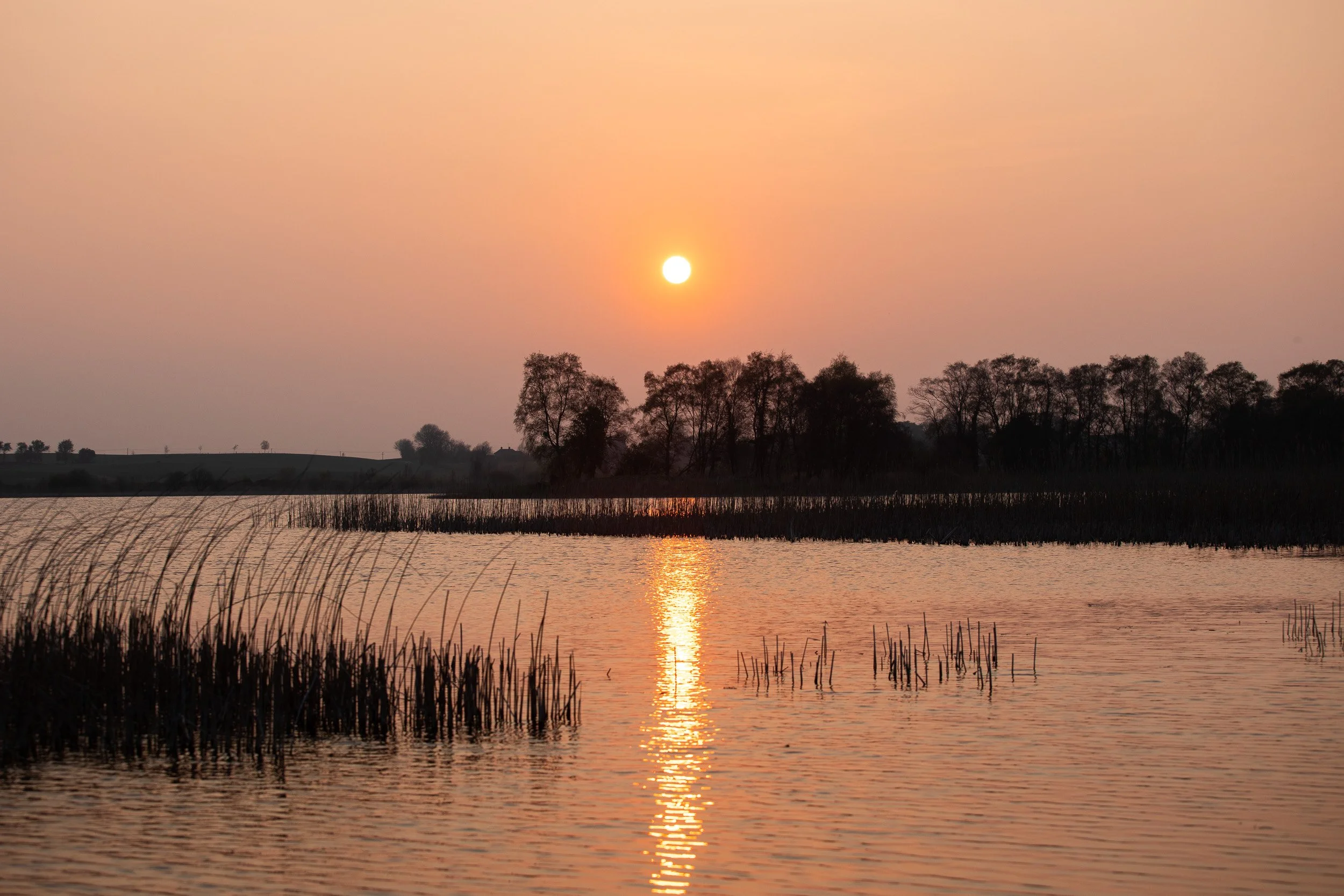
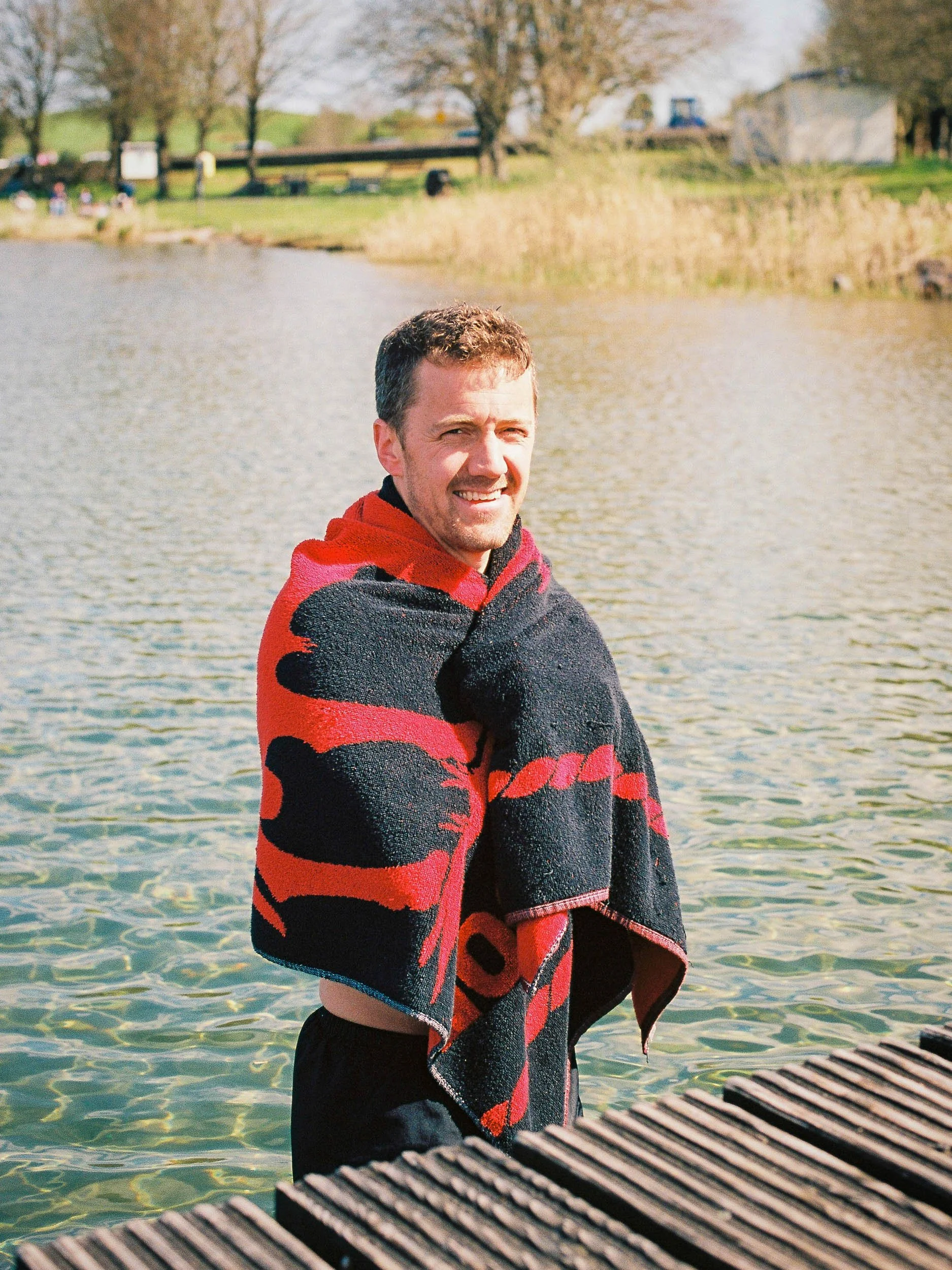
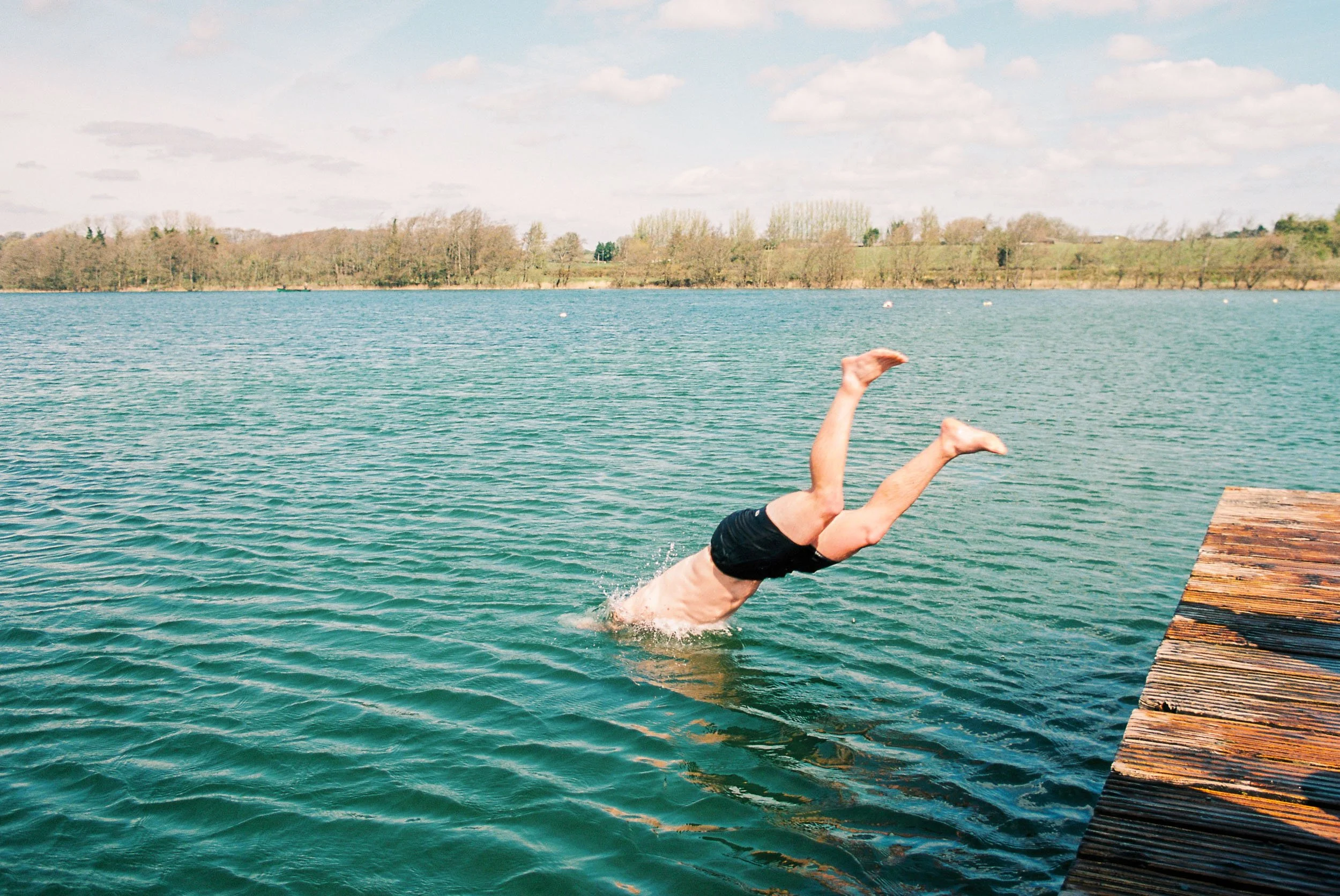
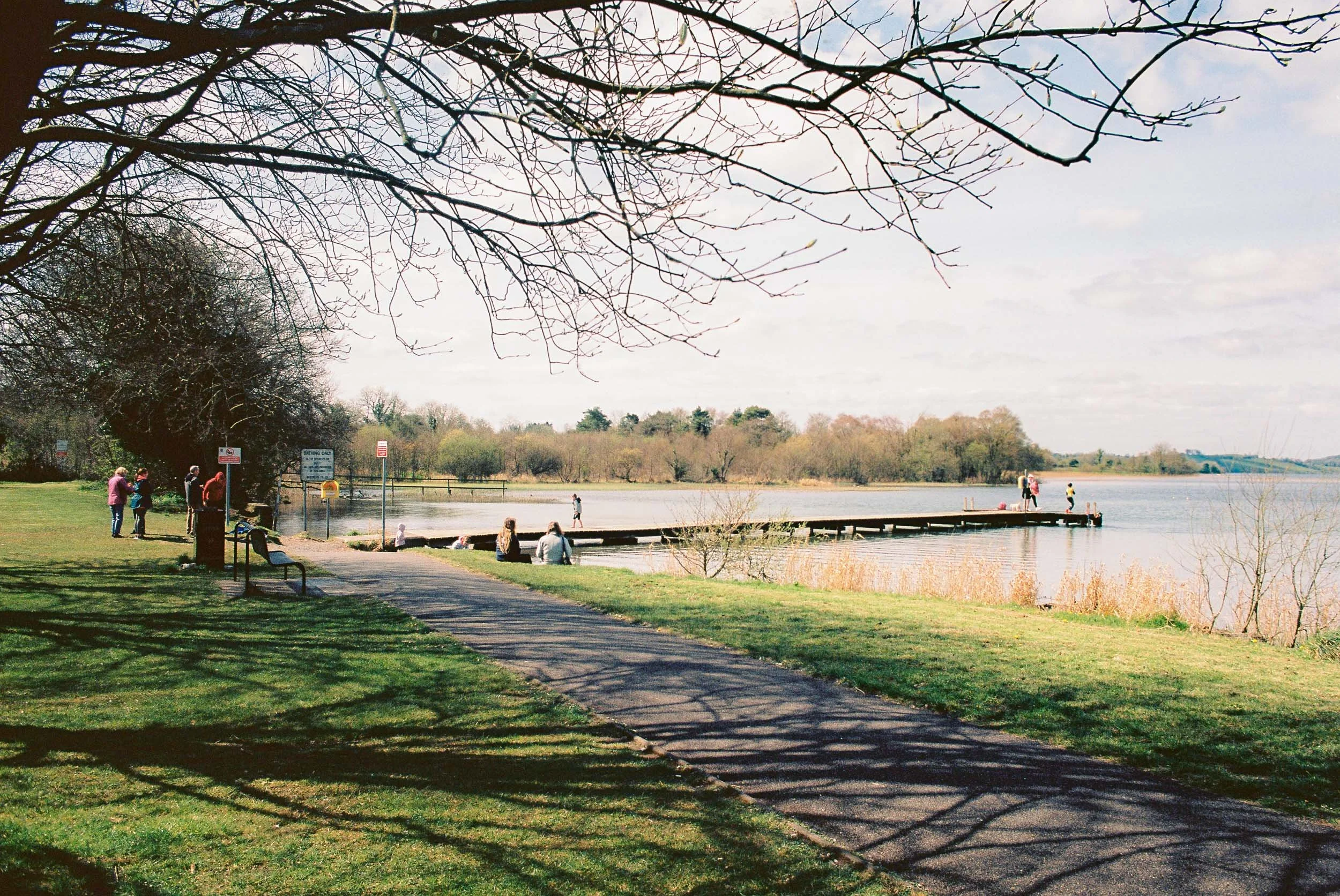
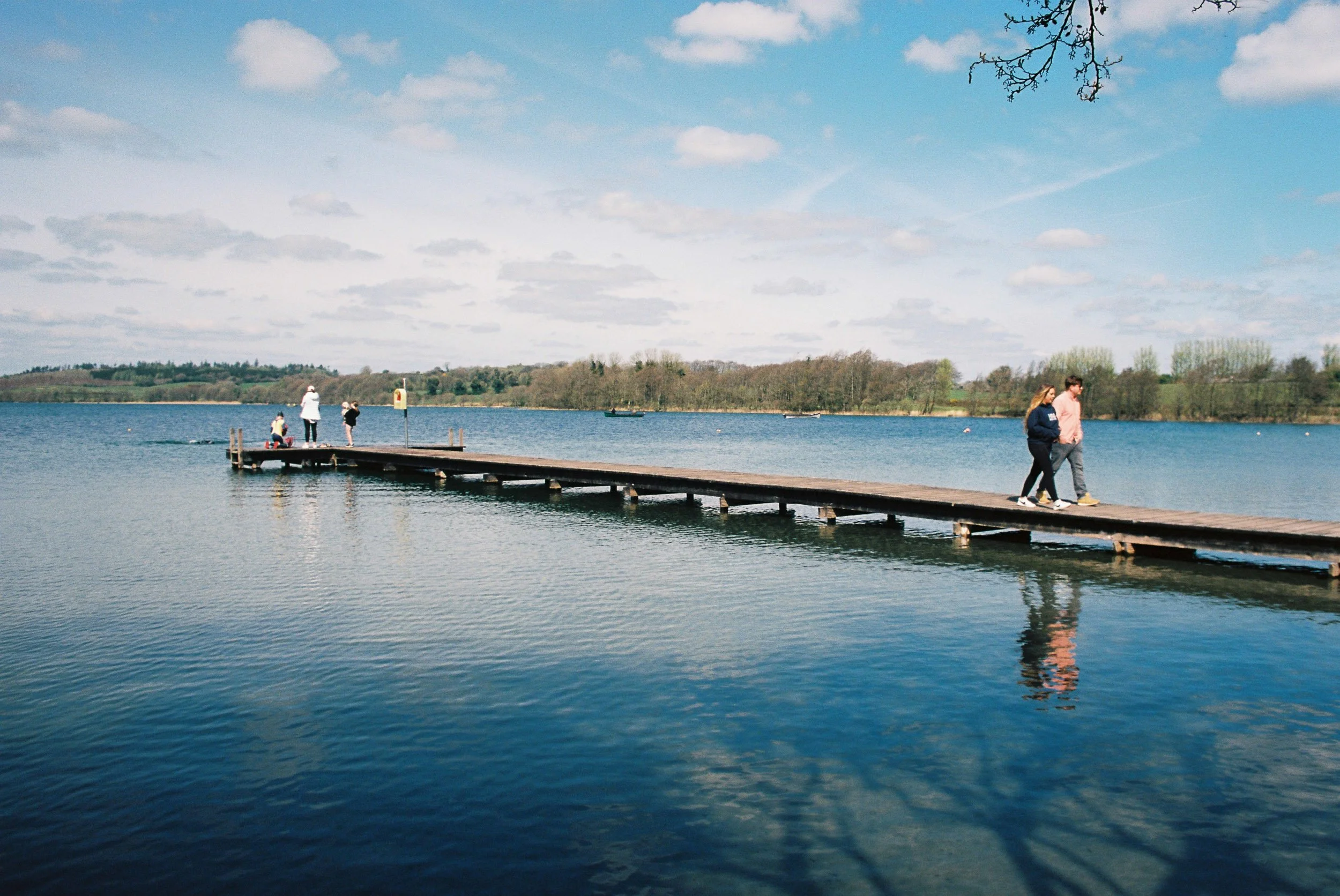
Lough Sunderlin, also known as Lough Sewdy is situated just to the north of the present village of Ballymore. It is a small lake accessible at Fr. Dalton’s GAA club. There are a two historical sites surrounding this lake that I found interesting. Overall It would be a lovely place to have a picnic and or watch the sunset!
-
Fr. Dalton’s GAA club
Ballymore Pitch and Putt course is located 1.5 km south of Ballymore, on Moate Road.
For history buffs - Saint Owen's Church (built circa 1827)
-
Neolithic Habitation and Anglo-Norman Settlements
There is evidence of human habitation in the area around the lake going back to Neolithic times. Ring barrows and ringforts can still be seen in the fields beside the lake. A coin minted around 900AD in the Afghan city of Herat was found in the lake some years ago. Known as a dirham,the coin was made of silver and had Arabic inscriptions on it.
In the thirteenth century the area north of Lough Sedy became an important Anglo-Norman settlement and was,for a time ,the capital of the Norman Liberty of Mide. The ruling family at that time were the De Verduns. The Daltons later became dominant in the region and the territory was known as Dalton Country. In 1315, Edward Bruce,who was the brother of King Robert the Bruce of Scotland and was himself a claimant to the Irish Crown (he was crowned King of Ireland in 1316) spent Christmas in Ballymore. He burned the town as he left!
Edward Bruce and the Williamite War
In June 1691,Lough Sewdy was the site of a battle between the armies of William of Orange and James the Second during the Williamite War. As the Williamite army headed towards Athlone they were confronted by a small Jacobite force encamped in a fort overlooking the west side of the lake. Although greatly outnumbered the Jacobites managed to hold out for two days against the Williamites who were lined up along the eastern shore. Eventually they had to surrender. Cannon balls from the battle still turn up in the fields around Lough Sewdy