
Photowalk with Alan (@varjak._) #2
In this video, we follow Alan through St. Stephen’s green as he hunts for light, interesting subjects and compositions.
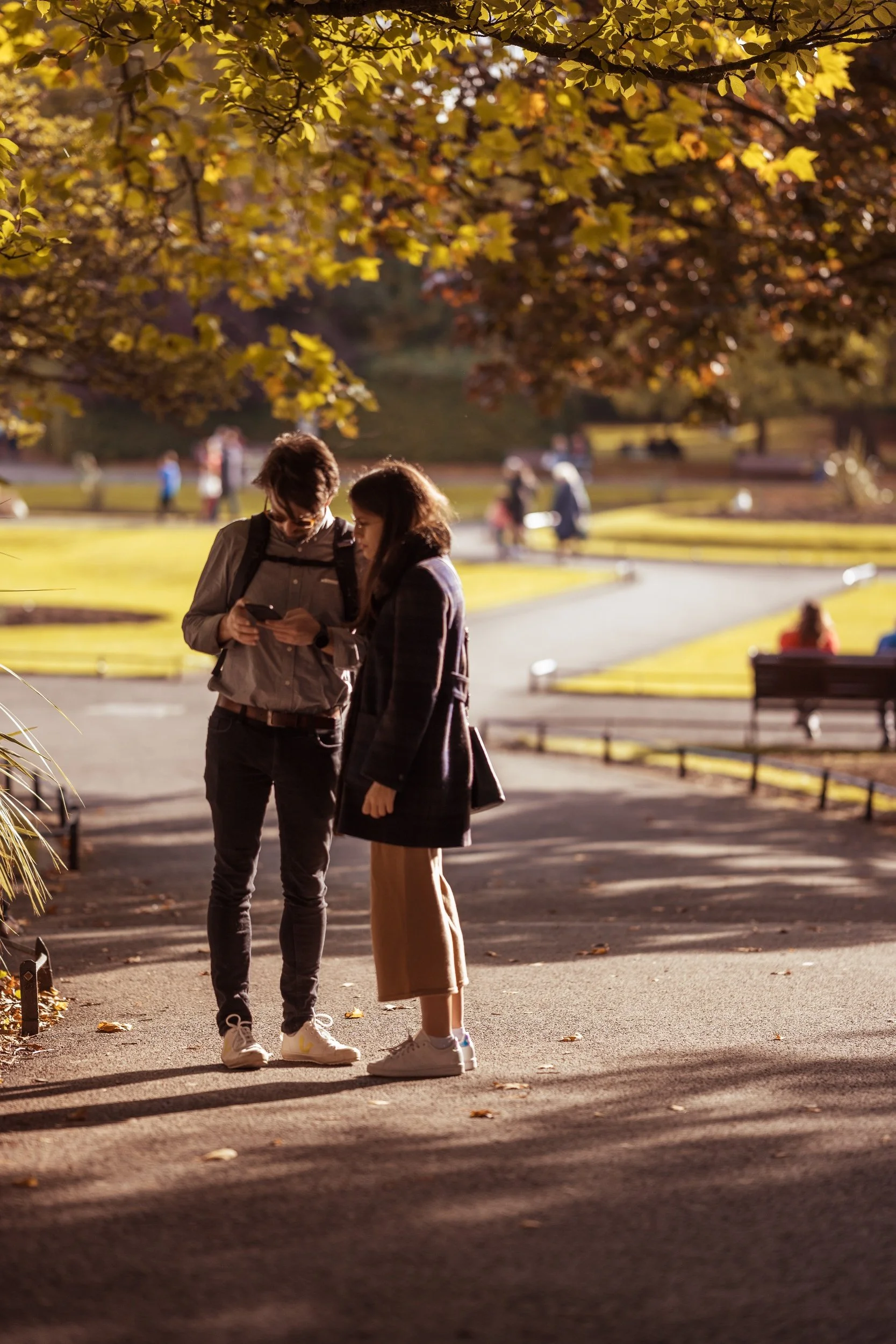
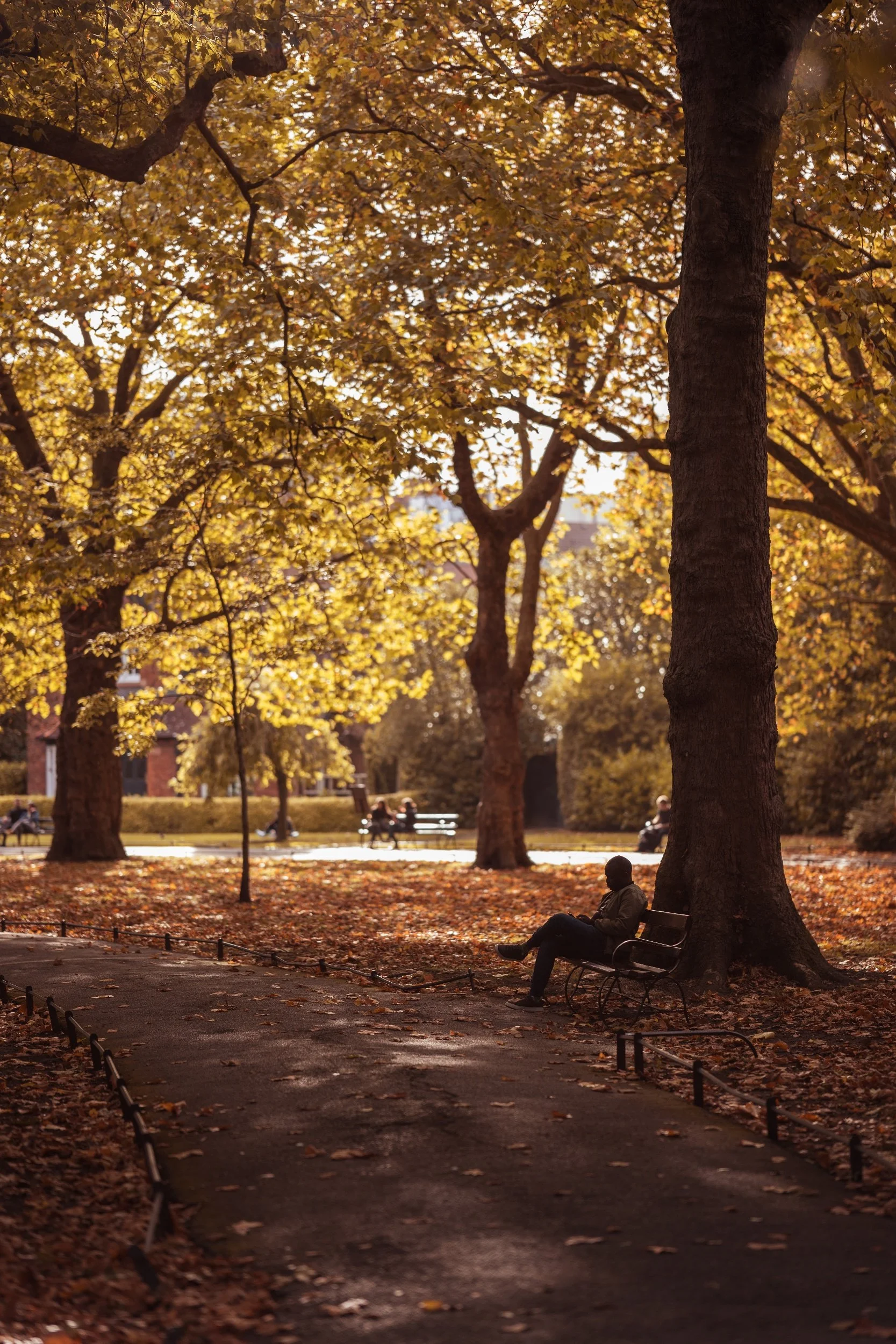
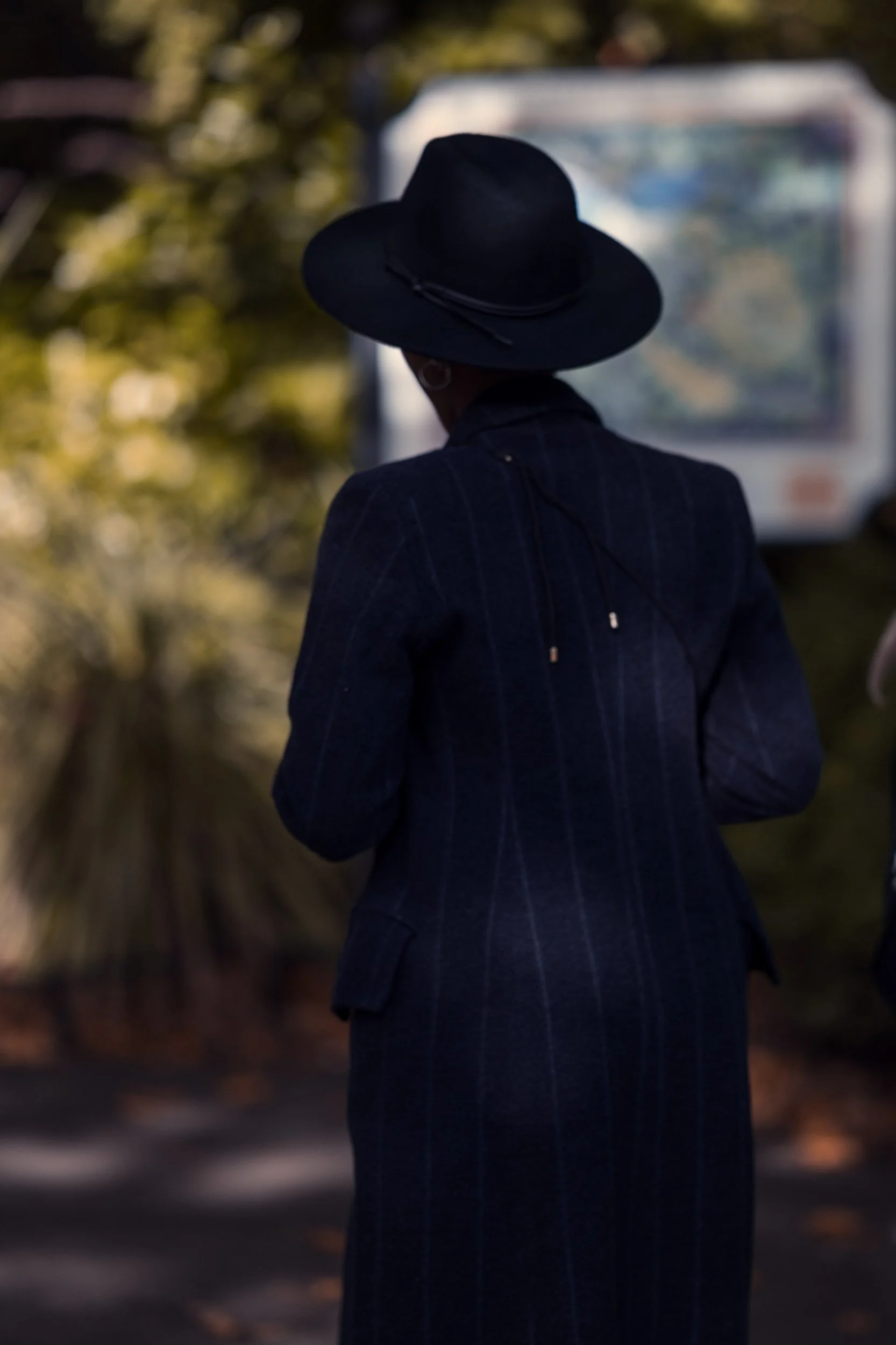


Photowalk with Alan @varjak._ #1
First photowalk with an expert street photographer @varjak._
3pm Sunday, Sep 19th, Dublin, weather: warm and sunny
1st practice session with Alan aka @varjak. I learned a lot from this photowalk. Had a lot of fun refreshing my street photography skills with an expert. In this blog post I’ll share some photos and things that I’ve learned during this photowalk.
Street photography doesn’t require any particular weather or time of day.
The motto: Whether it’s day or night, dull or bright, if the weather is shite you’ll be still alright
This means that there there are ‘no excuses’ not to go and practice. The street is all a dynamic place with new subjects moving through all the time and photogenic moments are happening all the time just waiting to be made into photographs.
We happened to get sunny weather on this day so I focuesd primarily on colour. Blog posts about photographic exercises and colour theory are on the way
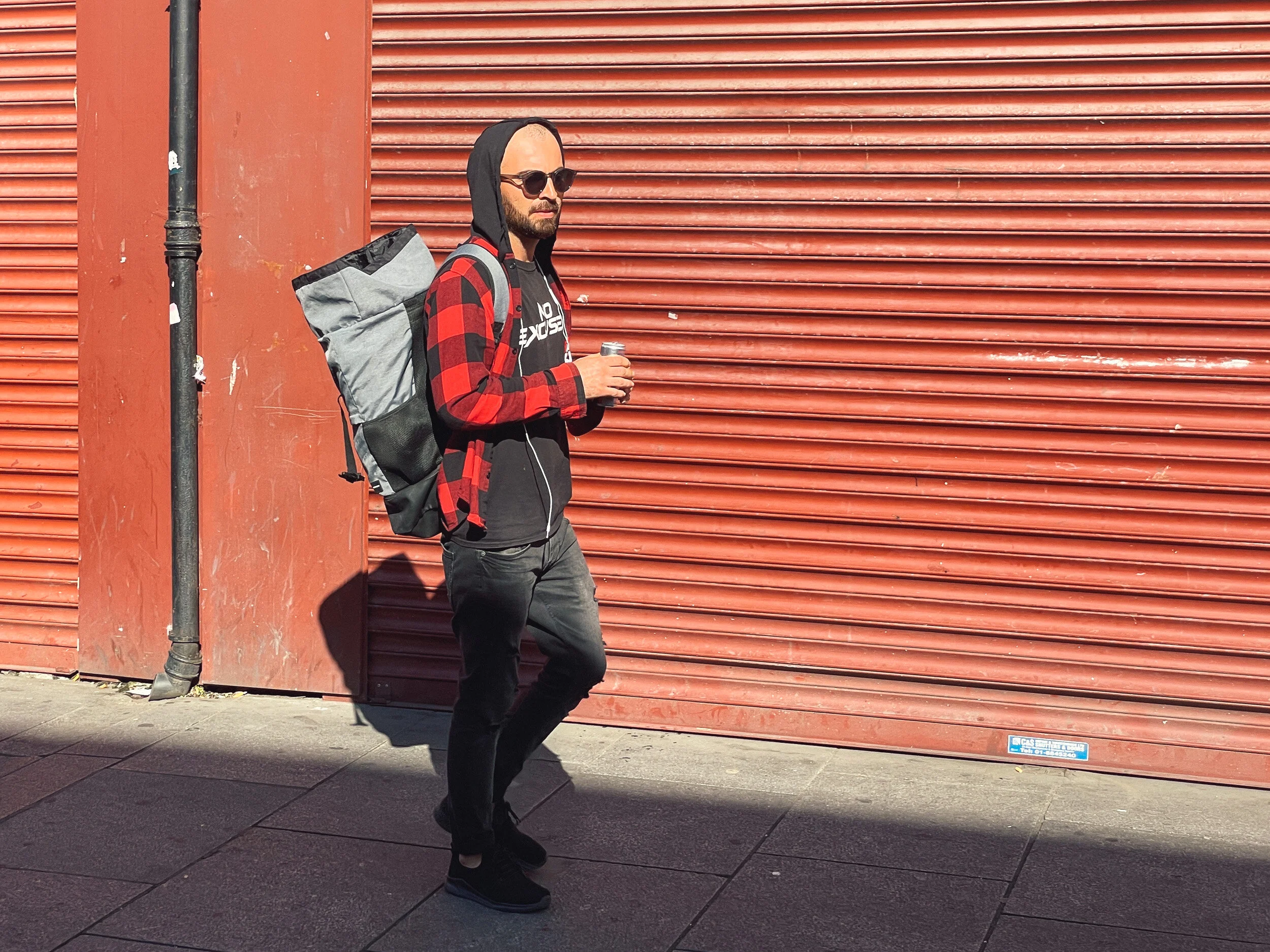
No excuses, Moore St.
Tuning in your selective focus / perception / eye takes time and practice
To get in the zone takes about 15 minutes of warmup shots. Practicing changing settings, lenses, cameras and basically just shooting without concern for whether its a good shot or not. This allows you to get comfortable making photos.
It took me a least 15 minutes before of I could get in the zone. In this session I spotted a lot of the same photo opportunities that Alan would see but about a second or 2 later. That could be the diffrence between making the shot or missing the shot.
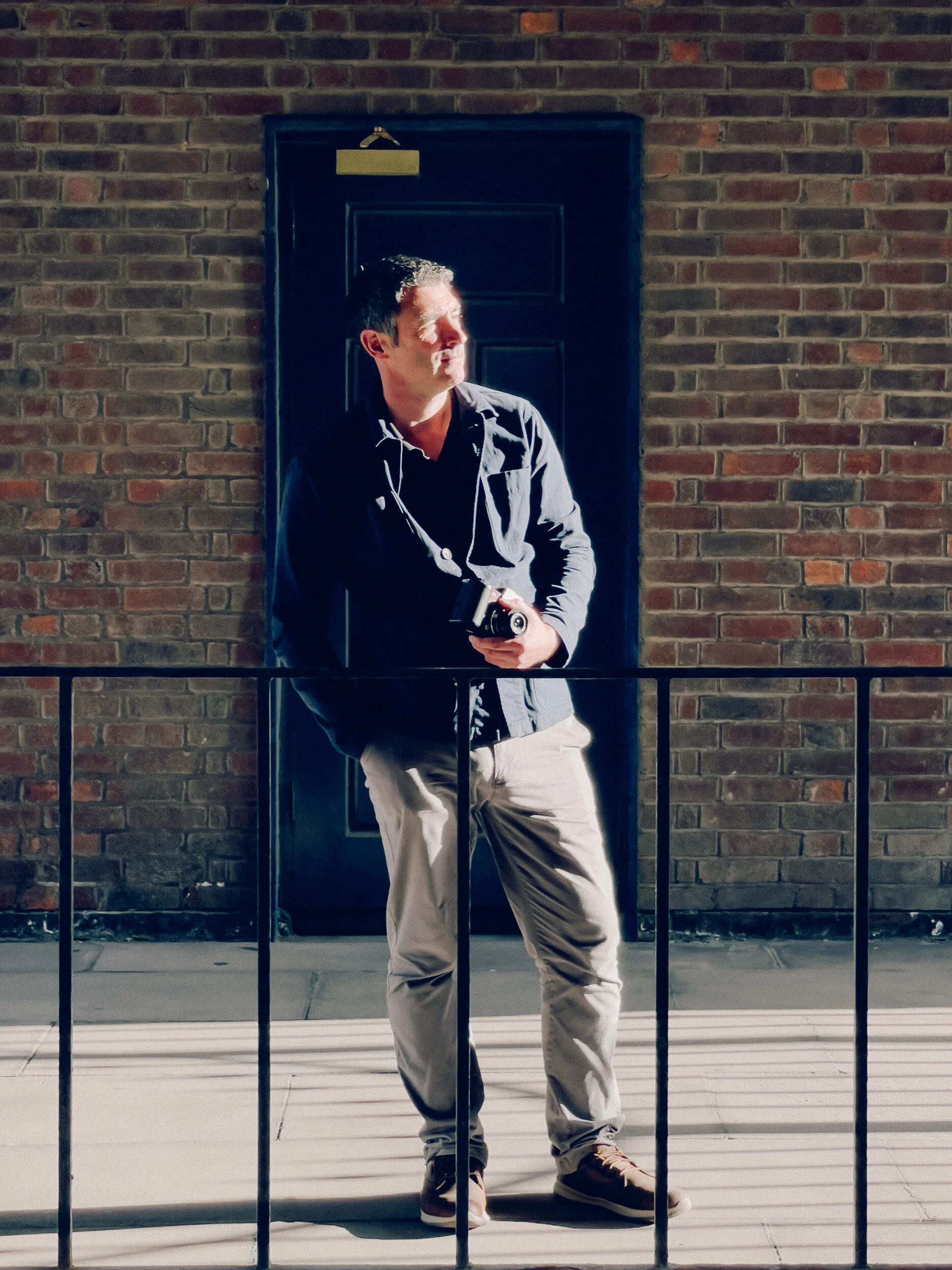
Street photography invokes sonder… I think that’s its main purpose
"Sonder — noun. the realization that each random passerby is living a life as vivid and complex as your own."
When we walk through a city we can feel very connected or very lonely depending on our ability to perceive. By default the typical adult will just see people as moving objects not to bump into unless they present themselves as a possible help or hindrance. Usually only people who look very attractive, ‘dodgy ‘or unusual enter our sphere of awareness . Street phoography allows us to temporarily remove our perceptual blindness and see a random passerby as an individual with their own story to tell.
I felt quite at home in this world after that photo session. I also met another photographer I’d never seen before and had a good chat.
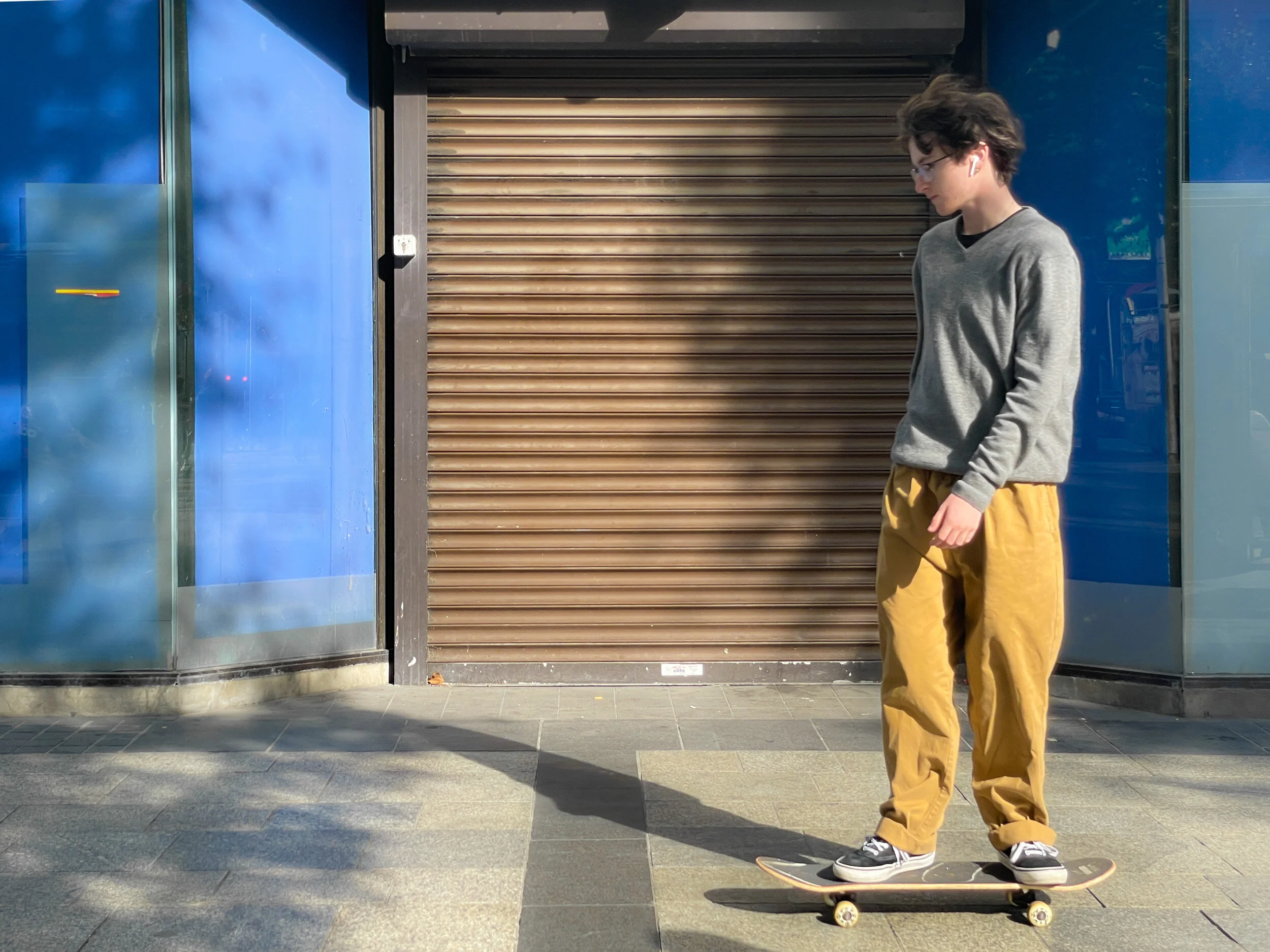
It’s great way for photographers to improve their skills
Street photography is a great workout for all photographers. Whether your into sports, portraiture, concert or landscapes. Street is a great way to improve skills like reaction time, imagination, people skills, and composition. In particular, an aspect of composition I call ‘connecting the dots’. I’ve a blog post in the works that explains this concept.
Even with knowing the theory, I need to go out shooting at least once or twice per week for maintenance. I was little bit rusty on this shoot as I hadn’t done street photography since college a year ago. I intend to shapen these skills with consistent practice.
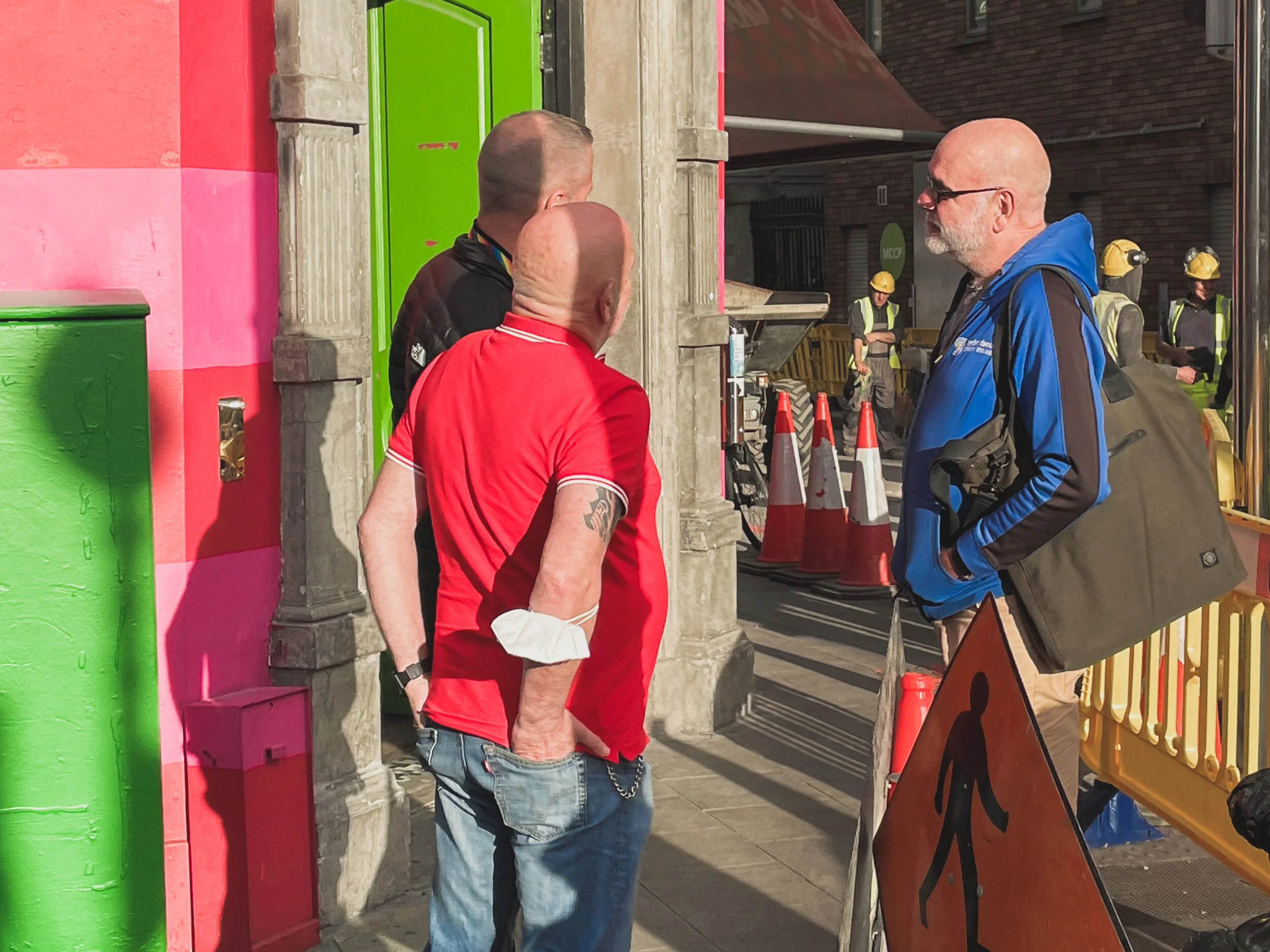
Know your location and plan ahead.
Alan uses an app called the photographer’s ephemeris to plan out where the sun will be, which helps him to anticipate the light in a particular location. He also has a routine route that he walks between several photographic hotspots around the city, wherien he is aware of the direction of light and potential subjects, based on his past experience. These organisation skills and location knowledge, I presume are a factor in his success as a street photographer.
On this day, Alan went to photograph the Afgani protest taking place on O’Connell St. before meeting me and going on a route though some interesting areas such as Moore St., Dublin Castle, and Temple Bar
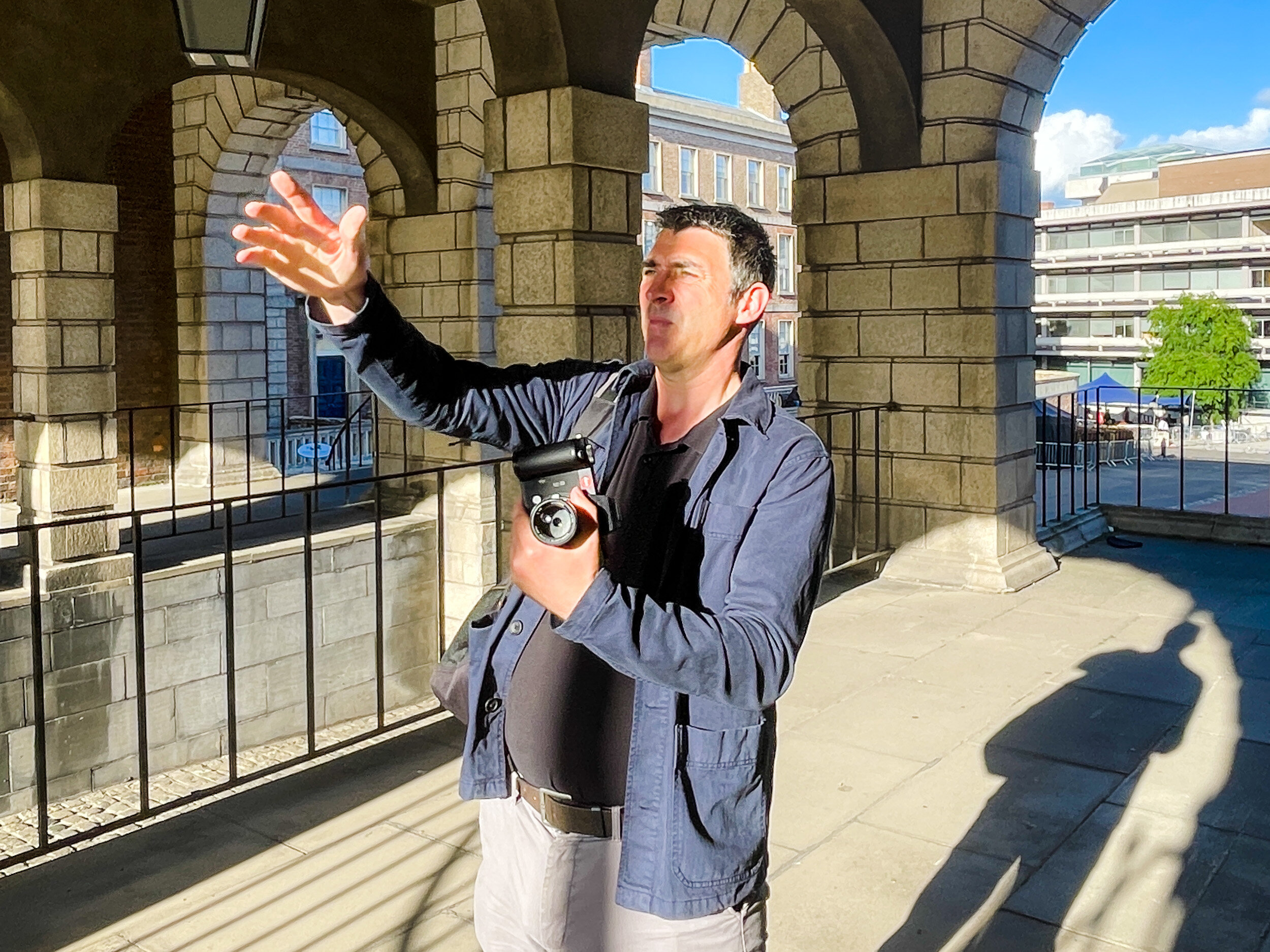

Film vs. Digital
An evaluation of the 2 photographic mediums
During my time in Pearse College photography course I was introduced to film photography. I had to make a lot of mistakes, practice a lot and ask my mentors many questions to find out the pros and cons of shooting film versus digital. Here are the notes I’ve compiled on this topic.
Film
Less shots and film can be expensive -> need to make your shots count.
More barebones, less distracting features
Better skin tones than digital (portra)
More natural, smooth highlights and detail con be recovered
Grain can be aesthetic
Can create a ‘rose tinted glasses ‘ nostalgic feeling with film such askodak porta 400 or gold 200
Pastel colours look great especially with medium format
Expensive to maintain supply film and can be addictive
Great for improving your photography skills
Keeps you in the moment (thinking less about the previous shot and more on the next shot because you can’t review the images before processing.)
35mm film is great for street photography becuase of their compact body and lens size
Can differentiate oneself from the majority of photographers
Digital
LCD screen
More clinical looking (sharper)
Better shadow detail recovery
No reloading & continuous shooting
Faster to upload work
Cheaper to operate
More powerful editing possible with RAW files
Easier to learn and practice with for beginners
Supports autofocus
Red and blue can be too prominent on digital
Better in low light
In conclusion I’d say that digital is the more logical choice. Whereas film is the more emotional choice. I think great art is a combination of logic and emotion expressed through some medium. So if you’re going with logical choice you’ve got to bring some emotion to it. visa versa. For example one might choose a DSLR camera rather than a mirriorless before they feel more comfortable with a optical viewfinder rather than a LCD screen. Or someone might use a film lens on their DSLR becuase it suits their style, even though it might not be as techincally good. If you’re going with the emotional choice i.e film, you’ve got to figure out a logical workflow for; buying film economically, metering, shooting, processing, scanning etc.
I’d use either one depending on my goal or mood on a particular shoot.
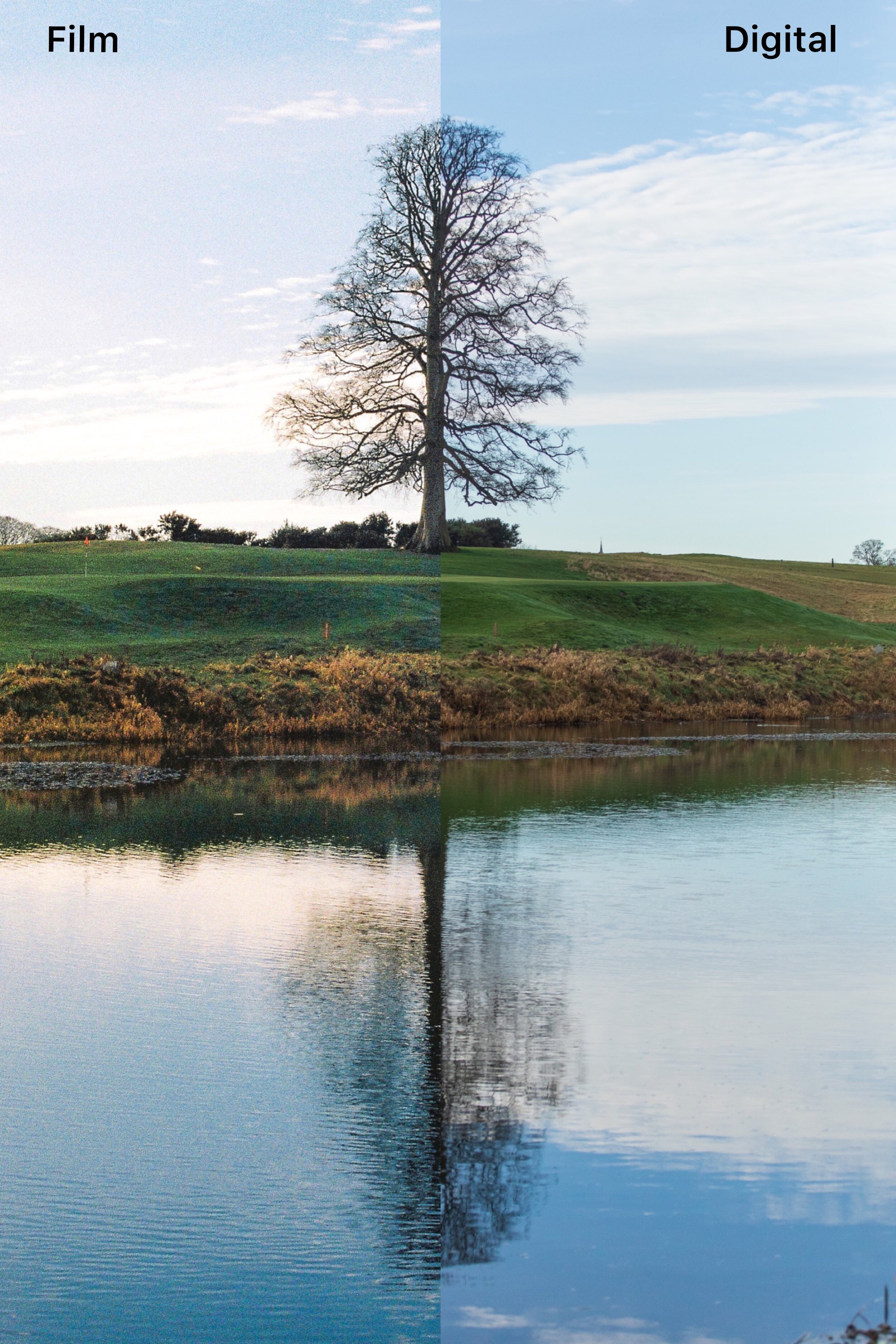
Film portra 400 & canon AE-1 on the left, canon 5D mark iv on the right. (Both of these shots have been edited to even out the exposure somewhat)
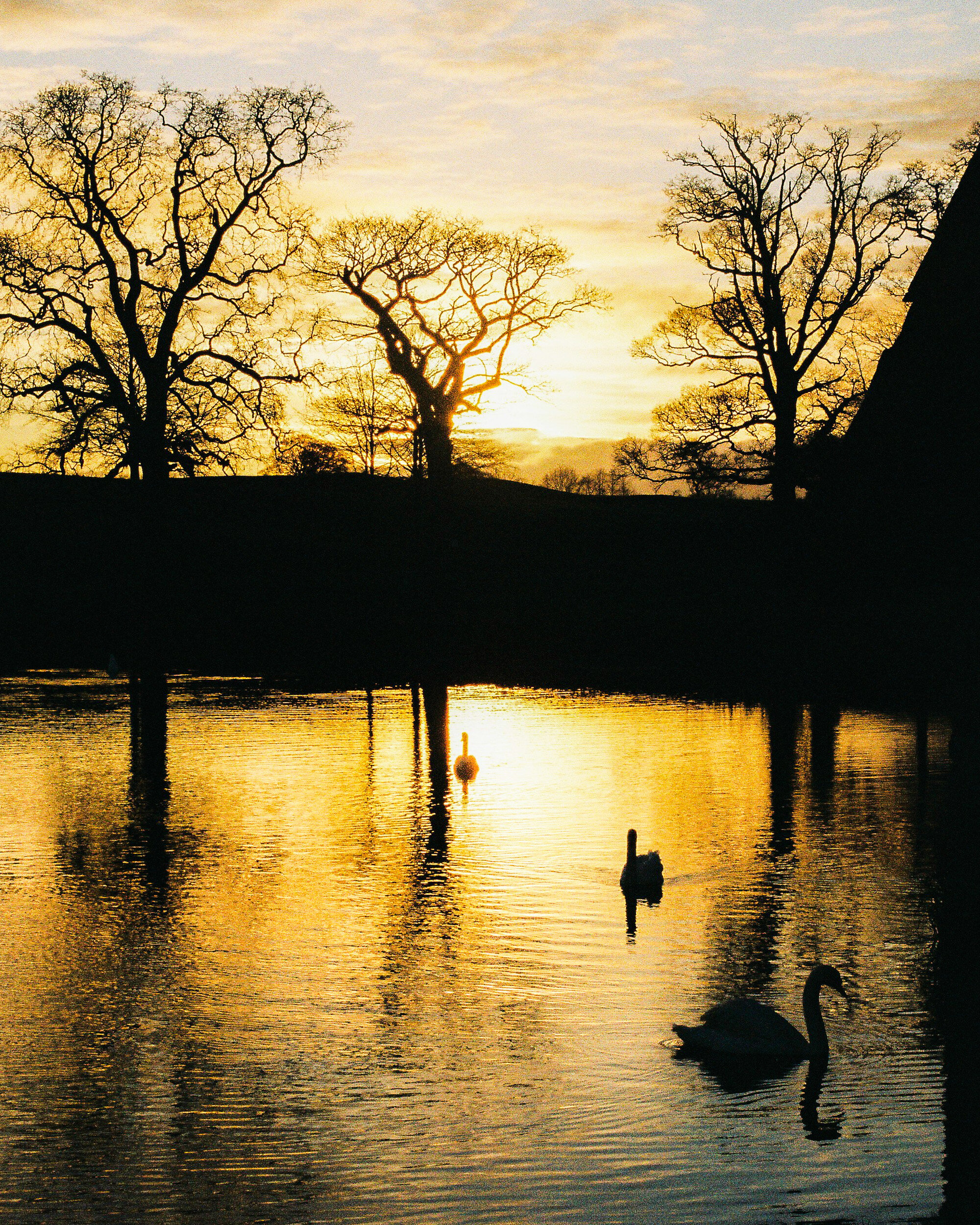
Notice the detail in the highlight of this film image above. It has a natural and smooth rolloff to white. This give film an advantage in photographing golden hour skies or sillouhettes .
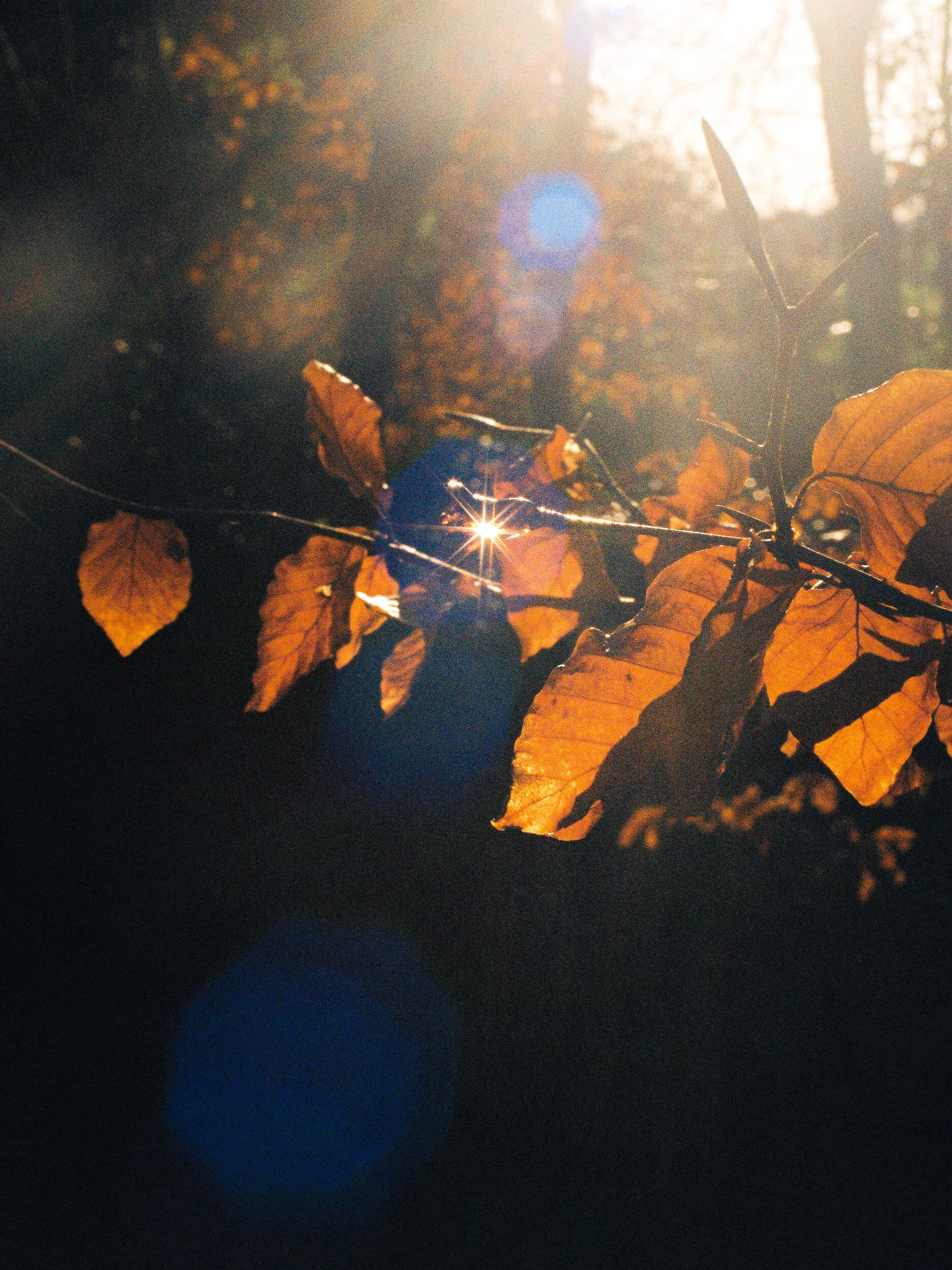
Subjectively, I think lens flares and artefacts are aesthetically pleasing in dreamy or abstract photos. This occurs because most old film lenses do not have the kind anti-glare coatings that modern lenses do.
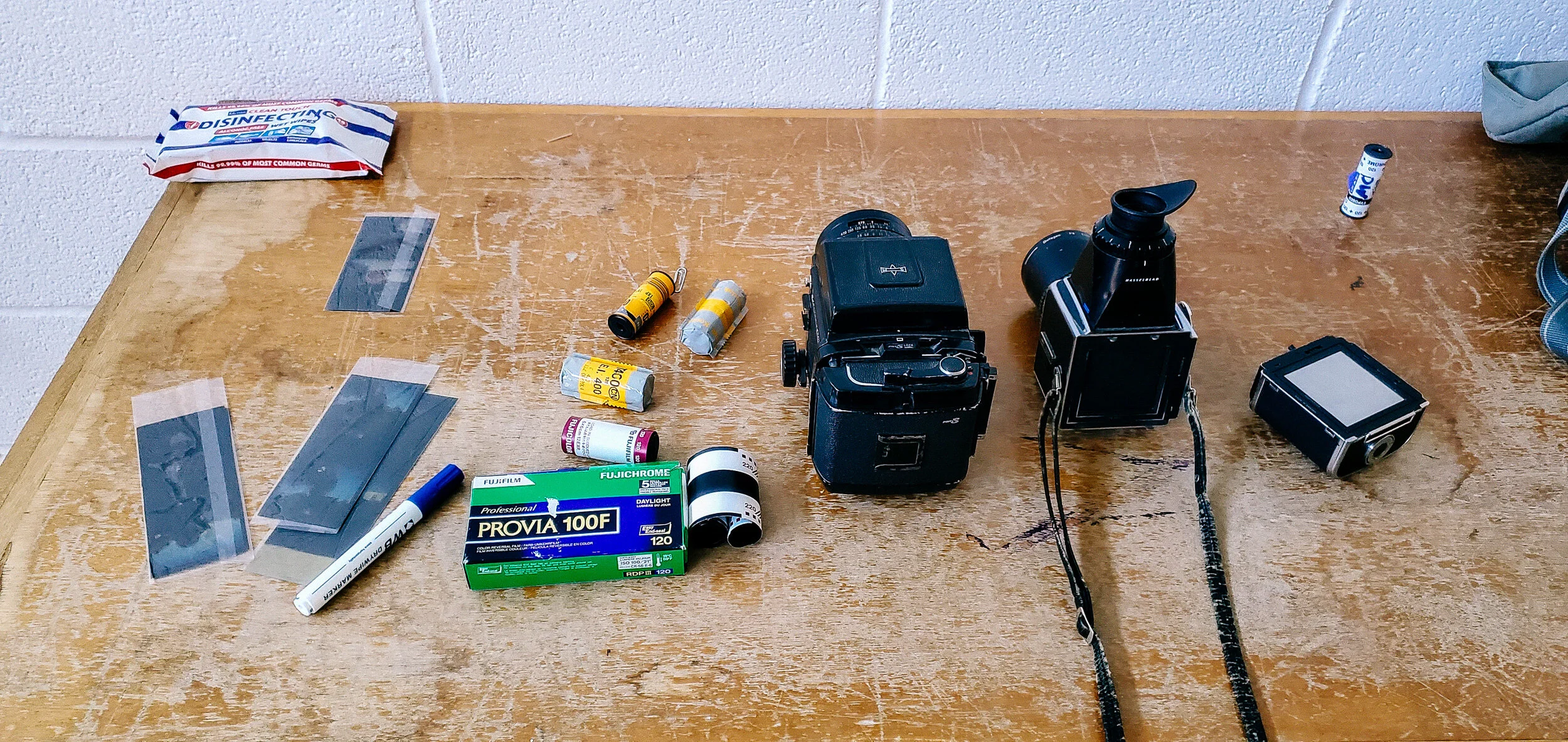
Wells Blog
Duis mollis, est non commodo luctus, nisi erat porttitor ligula, eget lacinia odio sem nec elit. Maecenas faucibus mollis interdum. Nulla vitae elit libero, a pharetra augue.
Featured Posts


Commodo cursus magna, vel scelerisque nisl consectetur et. Donec id elit non mi porta gravida at eget metus.